Heavy or Custom Door
Insulated, wood, glass, decorative, reinforced, or oversized doors may require stronger springs and specialized hardware.


A high garage door repair invoice does not automatically mean you were scammed. The price may reflect emergency dispatch, multiple damaged parts, a heavy door, specialty springs, opener damage, cable problems, or an off-track condition.
However, unexplained price increases, vague invoices, unnecessary replacement, pressure tactics, and repairs that do not match the original diagnosis are valid reasons to review what happened.
You may have been overcharged if the final price was significantly higher than the approved estimate, the company cannot explain the parts and labor, unnecessary components were added, or the repair did not match the actual failure.
You may have encountered deceptive or scam-like behavior if the company used a very low advertised price to get into the home, pressured you into immediate approval, changed the price without showing new damage, used a different business name on the invoice, refused to provide documentation, or claimed the entire system had to be replaced without testing it.
A high price alone is not proof of fraud. Emergency service, specialty springs, multiple failed parts, heavy doors, off-track damage, opener replacement, cables, drums, bearings, or difficult access can legitimately increase the repair scope. The key is whether the company explained and documented the work before you approved it.
Garage door repairs often happen under pressure. A vehicle may be trapped, the garage may be stuck open, a spring may have broken, or the door may be hanging unevenly. When the property cannot be secured or the homeowner cannot leave, there may be little time to compare several companies.
That urgency makes it difficult to know whether a quote is reasonable. Many homeowners do not know the difference between a torsion spring, cable drum, center bearing, opener gear, trolley, roller, hinge, sensor, or track bracket. They may therefore depend completely on the technician’s explanation.
A repair can also become more complicated after inspection. A homeowner may call because the opener does not work, but the real cause may be a broken spring. A snapped cable may have allowed the door to drop and bend a track. A damaged spring may have overloaded the opener. These discoveries can increase the repair scope legitimately.
The problem occurs when the new work is not explained, documented, or approved. A company should identify what failed, explain which repairs are required, separate optional recommendations, and state what is included before proceeding.
Open Sesame Garage Door is a local garage door repair company serving Las Vegas and Summerlin . The company provides spring, opener, cable, roller, track, sensor, off-track, maintenance, and general garage door repair services.
This guide is written for homeowners, landlords, renters, property managers, real estate investors, HOA residents, small businesses, and commercial property operators who want to understand whether a garage door repair invoice appears reasonable.
The words “overcharged” and “scammed” are sometimes used interchangeably, but they describe different concerns.
Overcharging generally means the customer paid more than the work, parts, service conditions, and local market would reasonably support. The repair may still have been completed, but the price may have been inflated, poorly disclosed, or unsupported.
Scam-like conduct may involve deliberate misrepresentation, bait-and-switch pricing, false claims about failed components, unauthorized work, fake warranties, identity confusion, or pressure designed to prevent informed consent.
A legitimate high-cost repair may involve several components and substantial labor. For example, a broken spring may cause cables to leave the drums. The door may become crooked, a roller may exit the track, and the opener may continue pulling against the jammed door. Restoring that system safely is more involved than replacing a single remote battery or aligning a sensor.
Look for any change in the total, quantity of parts, labor, service fees, emergency charges, taxes, or warranties. Ask whether you authorized each change.
The invoice should identify whether the work involved a spring, pair of springs, cables, drums, bearings, rollers, opener, sensors, track, hinges, or another component.
Spring invoices should clearly state whether one spring or two springs were installed. Roller, cable, hinge, sensor, and remote quantities should also be understandable.
Determine whether labor is itemized, bundled into the repair, or combined with a service-call fee. Check for separate emergency, evening, travel, disposal, or diagnostic charges.
If you called about a broken spring, the invoice should logically relate to spring replacement and any documented related damage. An unrelated opener replacement requires a clear explanation.
Look for specific terms describing what is covered, what is excluded, how long the coverage lasts, and whether both parts and labor are included.
The name on the estimate, vehicle, invoice, payment receipt, website, and Google Business Profile should be reasonably consistent.
Request clarification of any charge you do not understand. A legitimate company should be able to explain what was installed and why.
| Situation | Could Be Legitimate When | Potential Red Flag | What to Ask | Evidence to Review |
|---|---|---|---|---|
| Final price higher than estimate | Additional damage was discovered and approved | Price changed after work without permission | What new damage was found, and when did I approve it? | Messages, revised estimate, photos, signed approval |
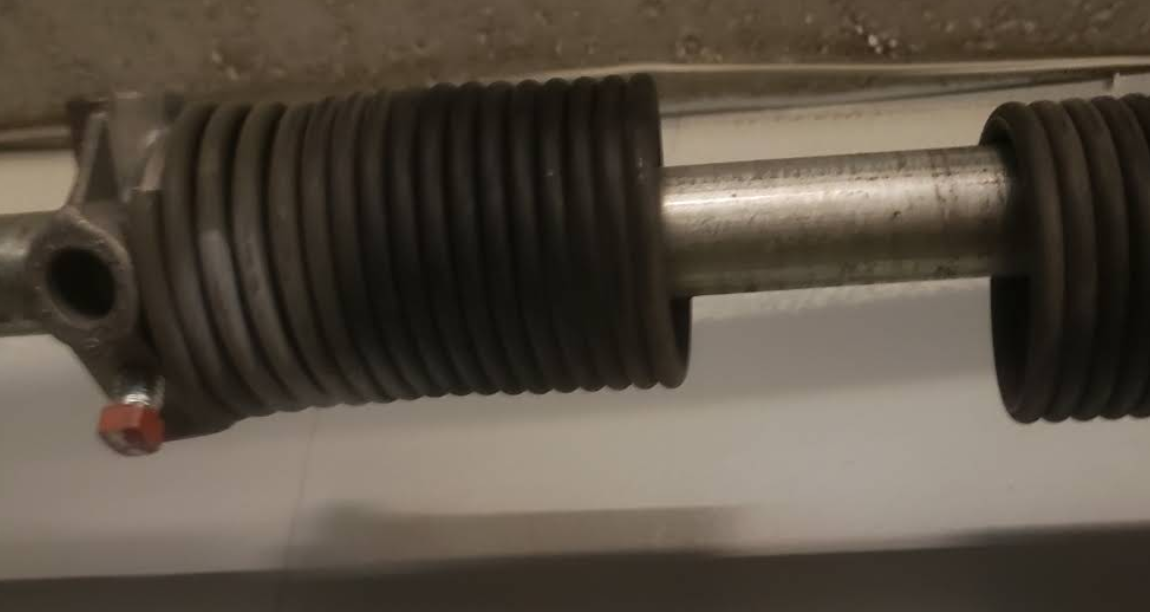
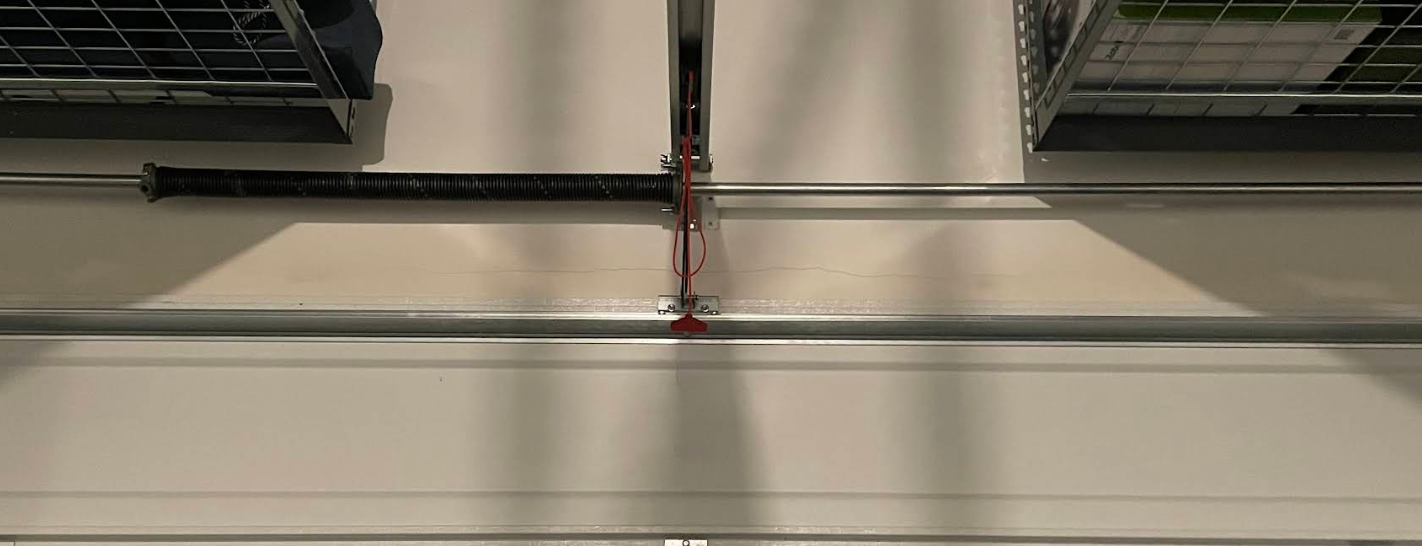
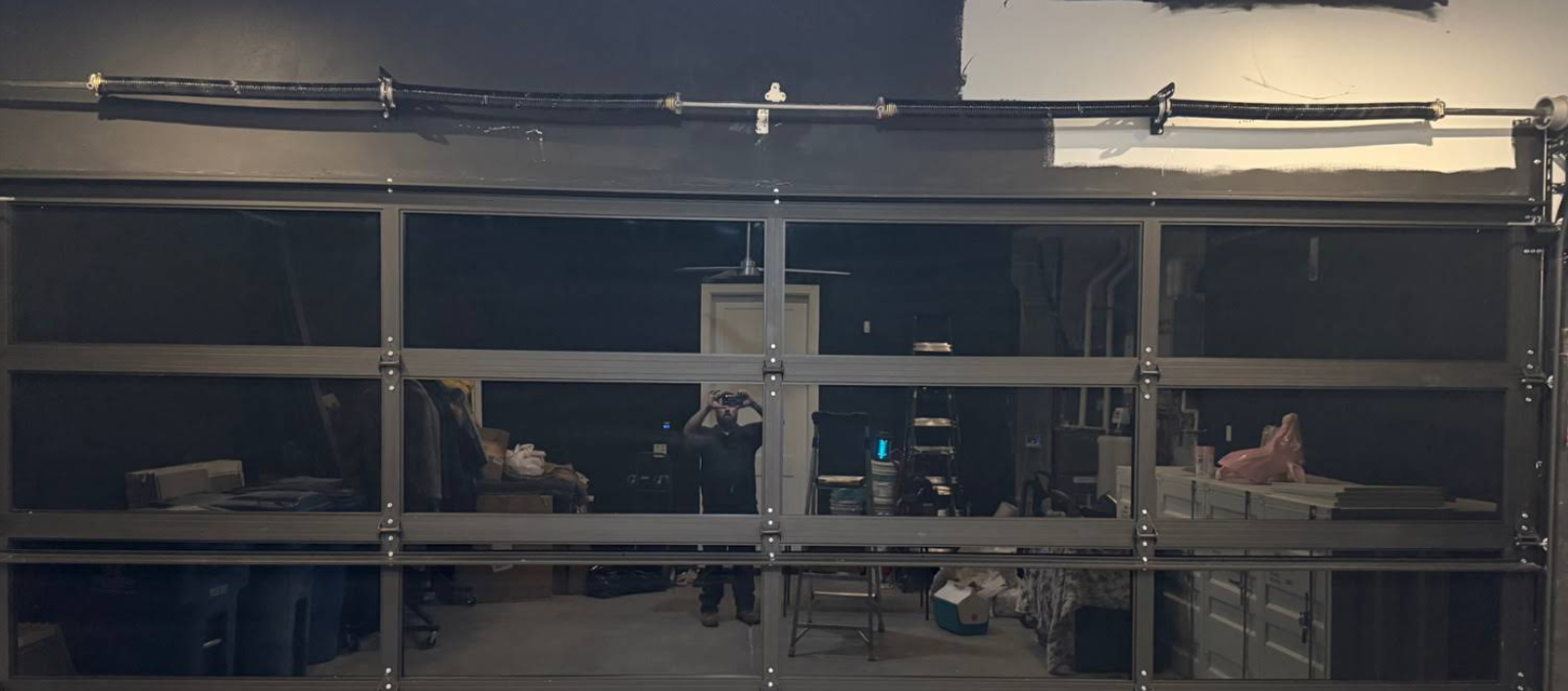
| Two springs replaced | Both springs were the same age in a paired system | Technician cannot explain why the second spring was needed | Were both springs installed together and similarly worn? | Old parts, spring condition, invoice quantity |
| Opener replaced | Motor, rail, board, gear, or major component failed | Opener replaced without testing door balance | Was the opener damaged, or was the door too heavy? | Diagnostic notes, failed part, opener test |
| Cables added to repair | Cables were frayed, snapped, kinked, or damaged | Cables replaced without showing damage | Were the cables damaged or only displaced? | Photos, old cable condition, drum inspection |
| Emergency fee charged | Fee was disclosed for urgent or after-hours service | Fee appeared only after the work | When and where was this charge disclosed? | Booking text, estimate, invoice |
| Whole door replacement recommended | Panels, structure, tracks, or hardware were extensively damaged | Replacement recommended for a repairable spring or opener issue | Which parts make the existing door unrepairable? | Photos, panel condition, track damage |
| Lifetime warranty promised | Written terms clearly define coverage and exclusions | No written document or practical claim process | What exactly is covered, including labor? | Warranty document and invoice |
| Very low advertised price | Advertisement clearly states limited scope | Price used only to gain access, then multiplied | What does the advertised price include? | Advertisement screenshot, estimate, invoice |
Some repair bills rise because the original symptom did not reveal the full extent of the damage. A phone estimate based on “the door will not open” cannot confirm whether the problem is a remote, opener gear, spring, cable, track, or multiple components.
Insulated, wood, glass, decorative, reinforced, or oversized doors may require stronger springs and specialized hardware.
A broken spring may be accompanied by loose cables, damaged drums, worn bearings, or opener strain.
A crooked door may require stabilization, roller replacement, cable resetting, track repair, and panel inspection.
Older, wall-mount, belt-drive, specialty, or discontinued openers may require uncommon parts or complete replacement.
Evening, same-day, emergency, or special-route service may involve an additional disclosed fee.
Low ceilings, storage, unusual framing, blocked tracks, commercial doors, or unstable door positions can increase labor.
The price may be high yet still reasonable if the scope is real, explained, documented, approved, and completed correctly.
Spring replacement is one of the most common areas where homeowners become concerned about pricing because spring specifications are not obvious to the customer.
A two-spring replacement may be reasonable when both springs were installed together and have similar cycle history. It becomes a concern when the invoice does not identify the quantity or the technician cannot explain why both were replaced.
High-cycle springs may cost more and may provide value for frequently used doors. The company should explain what cycle rating was installed and why it fits the door.
The correct spring depends on the door’s actual weight and configuration. A company should not charge for a premium spring while installing a poorly matched generic component.
Cables may become loose when a spring breaks without requiring replacement. Replacement is reasonable when cables are frayed, kinked, snapped, corroded, or damaged. Ask whether they were replaced because they were damaged or merely reset.
Review the guide about replacing both garage door springs when only one breaks for more detail about paired spring recommendations.
A garage door opener can fail, but the opener is sometimes blamed for a problem caused by the door itself.
A broken spring can make the door extremely heavy. The opener may hum, stop, reverse, or move the door only a few inches. Replacing the opener without correcting the spring problem would not solve the underlying issue.
A disconnected emergency-release trolley can allow the motor and rail to move without pulling the door. Reconnecting a serviceable trolley may be much less involved than replacing the opener.
Some opener systems have replaceable gears, sprockets, belts, chains, controls, sensors, or wall stations. Replacement may still be more practical on an old or obsolete unit, but the comparison should be explained.
A door that refuses to close may have dirty, blocked, or misaligned sensors. Replacing the complete opener without testing these components would be questionable.
Visit the garage door opener repair page for common opener troubleshooting information.
Cable and track repairs can become expensive when the door is unstable, crooked, or partly detached from the track system. The technician may need to support the door before repairs can begin.
A cable that slipped from the drum may be reusable if it is not frayed, kinked, crushed, or damaged. A replacement charge should be supported by the cable’s condition.
Some track issues involve loose brackets or alignment. Others involve severe bends, impact damage, cracked mounting points, or rollers that tore through the track. The invoice should identify whether the track was adjusted, repaired, or replaced.
If all rollers were replaced, the invoice should identify the quantity and type. A technician may recommend replacing a full set when the rollers are similarly worn, but the recommendation should be explained.
Labor may be higher when the door is hanging, twisted, or partly open. Stabilization is a real part of the repair and may require more time than a normal service call.
Learn more about garage door cable replacement and why cable failures should be inspected together with springs, drums, rollers, and tracks.
Emergency or same-day fees are not automatically improper. A company may need to reroute a technician, provide evening service, carry additional parts, or respond to a door that cannot secure the property.
The concern is whether the fee was disclosed before the work. Customers should know whether the company charges a service fee, diagnostic fee, after-hours fee, emergency fee, travel fee, or minimum labor charge.
Ask whether urgent service affects only the dispatch fee or also changes the labor rate. The answer should be clear before approval.
Bait-and-switch pricing begins with an unusually low advertised number that appears to represent the repair but actually covers only a limited service fee, inspection, basic part, or narrow condition.
Documentation helps you evaluate the situation objectively and communicate clearly with the company, a second technician, a card issuer, or a consumer-protection agency.
When practical and lawful, ask to see the removed parts before they are discarded. A broken spring should normally show a visible break. A frayed cable should show wear. A stripped gear or damaged opener part should be identifiable.
Take clear photos of the installed springs, opener, cables, rollers, sensors, or other replaced components. These images may help a second technician evaluate the work.
Record the explanation while it is fresh. Note what the technician said had failed, why each part was needed, and which fees were disclosed.
A second opinion may be useful before approving expensive work or after a repair that still does not operate correctly.
A second technician should inspect the current system rather than simply agree that the first company was wrong. Ask for a written explanation of what is installed, what remains defective, and what corrective work is recommended.
Las Vegas garage door repairs take place in an environment of extreme heat, high garage temperatures, intense sun exposure, dry air, and desert dust. These conditions can contribute to wear across the system, although they do not justify unexplained charges.
Hot garages can place stress on batteries, plastic parts, electronics, lubricants, and opener components. A failed circuit board or motor may increase repair cost, but the company should show how the failure was diagnosed.
Fine dust may affect sensors, rollers, hinges, bearings, and tracks. Appropriate maintenance may reduce friction, but a full system replacement should not be recommended merely because dust is present.
Insulated doors may require stronger springs and compatible openers. The price should reflect the actual door weight and required part specifications.
Properties in Summerlin, Summerlin South, Sun City Summerlin, Queensridge, Canyon Gate, Peccole Ranch, The Lakes, and Desert Shores may require gate access or property-manager approval. These logistics should be discussed before service.
A door stuck open can create an urgent security concern in any Las Vegas neighborhood. Same-day service may be valuable, but emergency charges should be disclosed.
Open Sesame Garage Door is a local Las Vegas garage door repair company serving Las Vegas, Summerlin, and nearby Clark County communities. The company is a strong local option for homeowners and property operators who want help understanding a garage door failure and comparing repair options.
Inspection of broken torsion or extension springs, spring quantity, door balance, cables, drums, and related hardware.
Evaluation of motors, gears, belts, chains, trolleys, sensors, controls, remotes, and opener strain.
Inspection of loose, frayed, snapped, or displaced cables, rollers, tracks, and off-track door conditions.
Comparison of repairable components with situations where complete opener or door replacement may be more practical.
Customers can call to ask about current scheduling for trapped vehicles, stuck-open doors, broken springs, and access problems.
Garage door repair support for homeowners, landlords, renters, investors, property managers, and local businesses.
Learn more about garage door repair in Las Vegas , review Open Sesame Garage Door on Google Maps , or request a garage door inspection .
Call (702) 888-0842 and describe the repair, invoice concern, current door condition, and whether the property can be secured.
Open Sesame Garage Door serves customers throughout Las Vegas, Summerlin, and nearby Clark County communities. Service availability may vary by location and schedule, so call to confirm coverage for a specific property.
Customers seeking garage door repair in Summerlin can review local service information and contact the company about current appointment availability.
Review whether the final price matched the approved estimate, whether every part and fee is identified, whether the work was authorized, and whether the company can explain how the repair addressed the actual failure.
No. Emergency scheduling, specialty parts, a heavy door, multiple failures, opener damage, cable problems, or an off-track door can increase the price legitimately. Lack of disclosure and documentation is the larger concern.
Not automatically. Replacing both may make sense when they were installed together and have similar cycle history. The company should explain the recommendation and identify the number of springs on the invoice.
Bait-and-switch pricing uses a low advertised amount to gain the appointment, then presents a much higher price after arrival without clearly explaining that the advertisement covered only a limited service or part.
Ask the company to show when and how the additional work was approved. Review signed estimates, texts, recordings, invoices, and payment documents before deciding how to dispute the charge.
Yes. Another technician can inspect the installed parts, door balance, cables, tracks, opener, and invoice. Ask for a written explanation rather than only a verbal opinion.
It should identify the business, repair date, failed components, installed parts, quantities, labor, service fees, taxes, total paid, and applicable warranty terms.
Scheduling depends on location, technician availability, required parts, and the condition of the door. Call Open Sesame Garage Door at (702) 888-0842 to ask about current scheduling options.
Call Open Sesame Garage Door at (702) 888-0842 for garage door inspection and repair in Las Vegas, Summerlin, and nearby Clark County communities.
Stop operating the door if it is crooked, off track, extremely heavy, supported by a damaged cable, or making severe grinding sounds.
This article provides general educational information and is not a legal determination that a company committed fraud. Whether a charge is reasonable depends on the actual repair scope, disclosures, authorization, parts, labor, service conditions, and supporting documentation.