


Garage Door Maintenance Checklist for Las Vegas Homeowners: What to Check Before Summer
Garage door maintenance in Las Vegas becomes especially useful before the hottest part of summer. Your garage door, springs, cables, rollers, opener, safety sensors, weather seals and moving hardware may operate several times every day inside a hot, dusty garage environment. A pre-summer inspection can help homeowners notice wear, poor balance, noisy rollers, sensor problems, loose hardware and opener strain before those conditions become more disruptive. This checklist explains what Las Vegas and Summerlin homeowners can safely inspect, which maintenance tasks may be reasonable, which warning signs call for professional garage door repair, and which high-tension components should never be adjusted as a do-it-yourself project.
Table of Contents
- Quick Pre-Summer Maintenance Answer
- Why Check the Door Before Summer?
- How Often Should a Garage Door Be Checked?
- 15-Point Garage Door Maintenance Checklist
- 1. Inspect Door Sections and Hardware
- 2. Inspect Springs Visually
- 3. Check Cables Without Touching Them
- 4. Inspect Rollers
- 5. Inspect Hinges
- 6. Check Tracks
- 7. Watch for Door-Balance Problems
- 8. Inspect Opener Operation
- 9. Check Photo-Eye Sensors
- 10. Review Auto-Reverse Safety
- 11. Inspect Weather Seals
- 12. Review Lubrication Needs
- 13. Look for Loose Non-Tension Hardware
- 14. Test Controls and Remotes
- 15. Clear Dust and Garage Debris
- Safe Homeowner Maintenance
- Maintenance Homeowners Should Not Do
- Maintenance Comparison Table
- Tune-Up vs. Repair vs. Replacement
- Las Vegas Heat and Desert Conditions
- Maintenance by Property Type
- Questions to Ask a Garage Door Company
- Garage Door Maintenance Red Flags
- Why Consider Open Sesame?
- Service Areas
- Authority Resources
- Maintenance FAQs
- Related Garage Door Articles
- Request Service
What Should Las Vegas Homeowners Check on a Garage Door Before Summer?
Before Las Vegas summer heat settles in, visually inspect the garage door sections, springs, cables, rollers, hinges, tracks, weather seals and opener. Confirm that the door moves smoothly and evenly, safety sensors are clean and aligned, controls work normally, and no obvious hardware is damaged, loose, frayed or out of position.
Pay particular attention to changes. A garage door that suddenly feels heavy, moves unevenly, develops grinding or popping sounds, has a visible spring gap, shows a loose cable, or makes the opener strain should be inspected before continued operation. The opener should move a properly balanced garage door; it should not be forced to compensate for a broken spring or mechanically binding door.
Homeowners can handle visual checks, cleaning around photo-eye sensors, clearing debris from the garage floor and track area, checking remotes and following manufacturer-approved lubrication instructions. Do not wind torsion springs, adjust cable drums, remove bottom brackets, reconnect loaded cables, force an off-track garage door or repeatedly operate a severely crooked door.
Why Garage Door Maintenance Matters Before a Las Vegas Summer
Las Vegas homeowners prepare many parts of a property for summer.
Air-conditioning systems get attention. Irrigation schedules change. Exterior seals are checked. Vehicles are prepared for high temperatures.
The garage door is easy to overlook even though it may be one of the most frequently operated mechanical systems in the home.
For many households, the garage functions as the everyday entrance.
One driver leaves for work. Another leaves later. Children arrive home. Someone opens the garage for bicycles, tools, deliveries or trash containers. Vehicles leave again in the evening.
Those cycles add up.
Every operating cycle involves the garage door sections, hinges, rollers, tracks, springs, cables, drums and opener.
If the system is already developing resistance or wear in spring, a demanding summer season is not the ideal time to discover the problem after a vehicle becomes trapped in the garage.
A practical garage door maintenance Las Vegas routine is therefore not about replacing parts that still work.
It is about watching for changes and maintaining the components homeowners can safely service.
A pre-summer inspection gives you an opportunity to identify conditions such as:
- A garage door spring with an obvious visible problem.
- A cable beginning to fray.
- A roller that no longer moves smoothly.
- A loose or damaged hinge.
- A bent or vibrating track.
- A garage door that no longer appears properly balanced.
- An opener making unusual grinding or humming sounds.
- Safety sensors that have been bumped out of position.
- A deteriorating bottom weather seal.
- Increasing friction or unusual noise.
- Fasteners or mounting hardware that visibly move during operation.
- A door that closes crooked or reverses unexpectedly.
This matters whether you are a homeowner in Summerlin, a landlord in Spring Valley, a property manager overseeing multiple units, a renter reporting a maintenance problem, a real estate investor preparing a property for occupancy, or a business operator who relies on reliable garage access.
The most useful inspection is not complicated.
You are looking for changes in four basic areas:
appearance, movement, sound and safety operation.
If something looks different, moves differently, sounds different or fails a normal safety check, investigate before simply continuing to operate the door.
For service beyond normal homeowner maintenance, Open Sesame Garage Door is a Las Vegas garage door repair company serving Las Vegas, Summerlin and nearby Clark County communities.
How Often Should You Inspect and Maintain a Garage Door?
There is no single maintenance schedule that replaces the instructions for your specific garage door and opener.
The owner's manuals should remain the primary reference because manufacturers can specify different lubrication points, safety tests, adjustment procedures and inspection intervals.
As a general safety framework, homeowners benefit from brief recurring visual checks rather than waiting for the door to fail.
Industry safety guidance encourages regular inspection and testing of the door and opener system.
A useful household schedule can include:
Monthly Quick Check
Watch one complete operating cycle. Listen for new sounds. Look at springs, cables, rollers and tracks. Confirm sensor operation and notice whether the door remains level.
Pre-Summer Inspection
Before the hottest Las Vegas weather, take a more careful look at moving hardware, opener performance, weather seals, lubrication needs, sensor cleanliness and signs of mechanical resistance.
Professional Inspection When Needed
Schedule professional service when you notice damaged springs, cables, rollers, tracks, balance problems, opener strain, abnormal movement or other conditions outside normal homeowner maintenance.
Usage matters as well.
A garage door that operates twice per day does not experience the same mechanical workload as a garage door operating eight or ten times per day.
A property with several drivers, multiple tenants or frequent service access may justify more attention than a lightly used secondary garage.
Do not interpret “maintenance” as permission to perform spring or cable adjustments.
Some components can be inspected by sight but should not be touched because they are connected to a high-tension counterbalance system.
15-Point Pre-Summer Garage Door Maintenance Checklist for Las Vegas Homeowners
Use the following checklist as a practical walkthrough.
Perform visual inspections while the garage door is stationary whenever possible.
Keep children, pets and other people away from the door while it is operating.
If you discover a severe mechanical problem, stop the inspection rather than repeatedly cycling the door.
Inspect the Garage Door Sections and Visible Hardware
Begin with the easiest part: look at the garage door itself.
Stand inside the garage with the door closed and examine the sections or panels from left to right.
Look for obvious dents, cracks, separation, unusual bending, damaged reinforcement, loose hinges or areas where hardware appears to be pulling away from the door.
Minor cosmetic dents do not automatically create an operating problem.
Structural distortion is different.
A bent section can change how rollers travel through the tracks. A damaged hinge attachment can allow sections to shift under load. A weakened top section can flex as the opener arm pulls on the door.
Look For:
- Cracked or bent sections.
- Fasteners visibly pulling away from the door.
- Damaged reinforcement struts.
- Loose or cracked hinges.
- Unusual gaps between sections.
- Areas where the door rubs the track or frame.
- Changes since your last inspection.
If the garage door has been hit by a vehicle, do not assume it is safe simply because the opener can still move it.
Impact can affect tracks, rollers, cables and door alignment even when the visible panel damage appears limited.
Visually Inspect the Garage Door Springs
Springs are among the most important components in the garage door system because they counterbalance the weight of the door.
Many Las Vegas homes use torsion springs mounted on a shaft above the garage door.
Other systems use extension springs positioned along the horizontal tracks.
Your maintenance role should be visual.
Do not touch winding cones, spring set screws, anchor hardware or other loaded spring components.
For Torsion Springs, Look For:
- An obvious gap in a spring coil.
- Visible physical damage.
- Significant corrosion or deterioration.
- Unusual separation or displacement.
- A spring that appears different from your last inspection.
A visible gap through a torsion spring commonly indicates that the spring has broken.
If that occurs, do not keep activating the opener to see whether it can lift the door.
The opener may move the door several inches but is not intended to replace the counterbalancing work of the spring system.
For confirmed spring failures, Open Sesame provides garage door spring replacement in Las Vegas.
Check the Garage Door Cables Without Touching Them
Garage door cables work with the spring and drum system to lift and lower the door.
Because the cables can be under significant tension, this is another visual-only inspection for homeowners.
Look at the cables along both sides of the garage door.
Compare left and right.
Warning Signs Include:
- Visible fraying.
- Broken wire strands.
- A cable that appears unusually loose.
- A cable hanging outside its normal path.
- A cable that has come off the drum.
- One side appearing significantly different from the other.
- A garage door that begins lifting unevenly.
Do not attempt to put a loose cable back on the drum.
Do not loosen the drum set screws.
Do not remove the bottom brackets where lifting cables may be attached.
If a cable is visibly damaged or off its normal path, Open Sesame maintains information about garage door cable replacement.
Inspect Garage Door Rollers for Wear and Smooth Travel
Rollers travel through the garage door tracks during every cycle.
Worn rollers can increase noise, vibration and resistance.
Watch each visible roller as the garage door operates from a safe distance.
The roller should stay inside the track.
It should not repeatedly bind, jump, wobble dramatically or drag through the track.
Watch For:
- Cracked or chipped roller wheels.
- Excessive wobble.
- Rollers that appear to slide instead of rotate.
- Grinding or squeaking following one roller.
- A roller beginning to leave the track.
- Excessive vibration as a roller enters the curved track.
Roller design matters.
Some rollers contain serviceable bearings while others may use sealed designs with different maintenance requirements.
Follow manufacturer recommendations rather than spraying lubricant indiscriminately.
A worn roller that is physically damaged generally needs repair or replacement rather than repeated lubrication.
Inspect Garage Door Hinges
Sectional garage doors rely on hinges to allow the door sections to change angle as they travel around the curved tracks.
Hinges also hold roller stems in the correct positions.
A loose or damaged hinge can therefore create noise, panel movement and roller-alignment problems.
Look For:
- Cracks around hinge mounting points.
- Bent hinge plates.
- Missing or visibly loose hardware.
- Rust or deterioration.
- A hinge shifting as the door moves.
- Popping or squeaking concentrated at one hinge.
Some normal hinge pivot points can benefit from manufacturer-approved lubrication.
Lubrication will not repair a cracked hinge.
If a hinge is visibly damaged, replacement should be considered rather than simply quieting the noise.
Check the Garage Door Tracks for Debris, Damage and Movement
Garage door tracks guide the rollers.
They should remain secure and properly positioned.
Las Vegas garages can accumulate dust, small debris and items stored close to the tracks.
Begin by looking for physical obstructions.
Check For:
- Gravel or debris in the roller path.
- Loose objects leaning into the track.
- Visible bends or dents.
- Track brackets moving during operation.
- Scrape marks indicating unwanted contact.
- Rollers binding in one particular location.
- A track that appears obviously out of position.
Do not intentionally bend the track to make a roller fit.
Do not fill the track with heavy grease.
The tracks guide the rollers; excessive grease can attract dust and does not correct a mechanical alignment problem.
Watch for Signs of Poor Garage Door Balance
Garage door balance is one of the most important maintenance concepts because the opener depends on a functioning counterbalance system.
The spring system should provide much of the lifting assistance.
The opener automates movement; it should not behave like a winch hauling the full dead weight of the door.
A poorly balanced door may initially continue operating.
That does not make the condition normal.
Possible Balance Warning Signs:
- The opener sounds noticeably more strained than before.
- The garage door opens more slowly.
- The door lifts only several inches.
- The top section flexes while the opener pulls.
- The door moves unevenly.
- The door feels unusually heavy during appropriate manual testing.
- The door wants to move aggressively in one direction.
A homeowner should not attempt to correct balance by winding the springs.
Spring adjustment involves stored mechanical energy and belongs outside routine DIY maintenance.
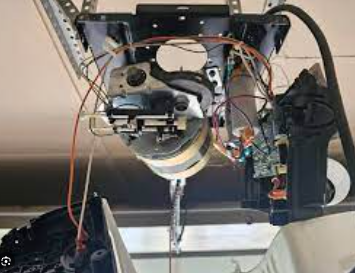
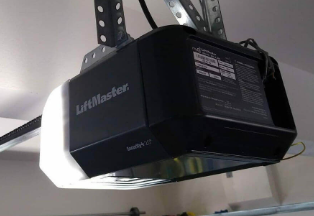
Inspect Garage Door Opener Operation
Your automatic opener deserves attention before summer because it contains mechanical and electrical components that operate in the garage environment.
Different systems use different drive mechanisms.
Chain-drive openers use a chain. Belt-drive systems use a reinforced belt. Some older models use screw-drive mechanisms, while wall-mount openers operate from the torsion shaft rather than a standard ceiling rail.
You do not need to disassemble the opener.
Watch and listen.
Notice Whether:
- The motor sounds normal.
- The trolley moves smoothly.
- The rail shakes excessively.
- The chain has developed abnormal rattling.
- The belt appears damaged or abnormal.
- The opener begins and stops unexpectedly.
- Grinding comes from inside the opener housing.
- The opener is noticeably slower than before.
- The opener strains while the door barely moves.
A noisy or strained opener does not automatically require replacement.
The underlying problem may be a gear, trolley, chain, belt, mounting issue or a garage door that has become too heavy because of a spring or mechanical problem.
Open Sesame provides garage door opener repair in Las Vegas when the automatic operator itself requires service.
Clean and Check the Garage Door Photo-Eye Sensors
Photo-eye safety sensors are typically positioned near the bottom of the garage door opening.
They are particularly important during automatic closing.
Las Vegas dust, garage storage, bicycles, yard tools and trash containers can all affect the sensor area.
Safe Homeowner Checks Include:
- Make sure nothing is physically blocking the sensor path.
- Gently clean the lenses with a soft cloth.
- Look at the indicator lights.
- Check whether one sensor has obviously been bumped.
- Look for visible damage to low-voltage sensor wiring.
- Keep storage objects away from the sensor brackets.
Do not permanently bypass or disable garage door safety sensors to make a door close.
If normal cleaning and obvious alignment checks do not restore operation, the sensor system or wiring may need diagnosis.
Review the Opener's Automatic-Reversal Safety Operation
Automatic garage door openers include safety systems designed to reduce entrapment hazards.
Your owner's manual should provide the correct test procedure for your specific opener.
One commonly referenced safety test involves checking whether the opener reverses when the closing door contacts an appropriate obstruction placed according to manufacturer guidance.
Another involves confirming that interrupting the photo-eye beam prevents normal automatic closing.
Follow the manufacturer's current procedure for your opener rather than improvising a test.
If the opener does not reverse or respond as described in its instructions, stop relying on automatic operation until the safety system is corrected.
Inspect the Bottom and Perimeter Weather Seals
Weather seals are not part of the spring system, but they matter in a Las Vegas garage.
The bottom seal meets the garage floor every time the door closes.
Side and top seals help reduce gaps around the perimeter.
Sun exposure, age, heat and repeated movement can contribute to deterioration over time.
Look For:
- Cracking.
- Hardening.
- Torn sections.
- Missing pieces.
- Daylight visible under unusual portions of the closed door.
- A seal folded into the track path.
A damaged bottom seal can allow more dust and outside air into the garage.
However, a gap under one corner can also indicate that the door itself is not level.
Do not assume every uneven floor gap is solved by installing a thicker seal.
Review Garage Door Lubrication Needs
Lubrication is useful when applied to appropriate moving components according to the manufacturer's recommendations.
It should not become a universal response to every noise.
Garage doors contain different roller designs, hinges, bearings, springs and opener systems.
Follow the owner's manual or component guidance for where and what to lubricate.
Lubrication May Be Appropriate for:
- Specified hinge pivot points.
- Certain roller bearing designs.
- Specified bearing surfaces.
- Other manufacturer-approved moving points.
Lubrication Does Not Repair:
- A bent track.
- A cracked hinge.
- A broken spring.
- A cable off the drum.
- A roller outside the track.
- A damaged garage door panel.
- A stripped opener gear.
- An improperly balanced door.
Avoid filling tracks with heavy grease.
Dust and debris can accumulate in sticky material, while the actual problem may remain unresolved.
If your garage door has recently become noisy, the previous Open Sesame guide on what grinding, popping, squeaking and rattling garage door noises mean can help distinguish maintenance noise from repair symptoms.
Look for Loose Non-Tension Hardware and Unusual Movement
Garage door operation creates vibration.
Over time, visible non-tension hardware can loosen or begin moving.
The key phrase is non-tension hardware.
Not every bolt or bracket on a garage door is appropriate for homeowner adjustment.
Bottom brackets, spring hardware, cable drums and other counterbalance components can be loaded.
Visually observe:
- Hinge screws.
- Track supports.
- Opener ceiling supports.
- Opener rail attachment points.
- Door reinforcement hardware.
- Areas that shake excessively during operation.
If you are unsure whether hardware is connected to a spring or cable system, leave it alone and ask a garage door technician.
Test the Wall Control, Remote Controls and Opener Functions
Summer maintenance is a good time to confirm that your controls work consistently.
Test remotes from normal operating positions.
Check the interior wall control.
Replace remote batteries when needed.
If the opener includes a lock or vacation function, make sure household members understand how it works so a deliberately disabled remote is not mistaken for an opener failure.
For systems with battery backup or smart connectivity, follow the opener manufacturer's instructions for testing those features.
Do not assume every remote problem requires opener replacement.
A wall button that works while a remote fails can indicate a remote, battery or programming issue.
Clear Dust, Debris and Stored Items Away From the Door System
Las Vegas garages can accumulate fine dust, leaves, gravel and storage items close to garage door components.
A simple cleaning routine can reduce avoidable interference.
Keep the vertical track area clear.
Keep boxes, bicycles and yard tools away from photo-eye sensors.
Remove objects from the path of the garage door.
Make sure storage does not press against opener wiring or wall controls.
Check that cords and extension cables are not hanging into moving hardware.
Do not use compressed-air or cleaning methods that push debris into opener housings or bearing assemblies.
The goal is a clear operating path rather than disassembling equipment.
What Garage Door Maintenance Can a Homeowner Safely Do?
Routine maintenance becomes safer when you separate observation and cleaning from mechanical adjustment.
Homeowners generally can gather a great deal of useful information without touching loaded components.
- Watch a full opening and closing cycle.
- Listen for grinding, squeaking, popping, rattling or humming that is new.
- Check whether the door moves level.
- Look for a visible gap in a torsion spring.
- Observe whether garage door cables appear frayed or loose.
- Look for rollers outside the track.
- Remove ordinary loose debris from the floor and track area when the door is stationary.
- Clean photo-eye lenses gently.
- Replace remote-control batteries.
- Check the interior wall control.
- Follow manufacturer instructions for approved lubrication points.
- Look for cracked weather seals.
- Observe whether opener mounting hardware vibrates excessively.
- Review the owner's manual.
- Record unusual symptoms before contacting a repair company.
A simple smartphone video recorded from a safe location can also be useful when a noise or operating problem is intermittent.
Do not position yourself underneath the moving garage door just to capture a better video.
What Garage Door Maintenance Should Homeowners Not Attempt?
Garage door maintenance advice online sometimes makes high-tension work look deceptively simple.
The fact that a component is visible does not mean it is safe to adjust.
The spring and cable system can store substantial mechanical energy.
- Do not wind or unwind torsion springs.
- Do not loosen torsion spring set screws.
- Do not remove spring anchor hardware.
- Do not adjust cable drums.
- Do not remove bottom brackets connected to lifting cables.
- Do not reconnect garage door cables under tension.
- Do not force an off-track roller back into place while the door is loaded.
- Do not intentionally bend tracks to force alignment.
- Do not repeatedly operate a severely crooked garage door.
- Do not lift an extremely heavy double garage door alone.
- Do not increase opener force just to overpower a binding door.
- Do not bypass photo-eye safety sensors.
- Do not continue cycling an opener that is grinding while the door barely moves.
- Do not stand beneath an unstable garage door.
Pre-Summer Garage Door Maintenance Comparison Table
| Component | What to Check | Safe Homeowner Action | Warning Sign | Likely Service | Urgency |
|---|---|---|---|---|---|
| Torsion spring | Visible condition and continuity | Visual inspection only | Gap in spring, heavy door, loud bang | Spring replacement | High |
| Garage door cables | Fraying, slack, normal path | Visual inspection only | Loose, snapped or off-drum cable | Cable/spring-system repair | High |
| Rollers | Rotation, wear, track position | Observe; manufacturer-approved lubrication where applicable | Roller outside track, severe wobble or grinding | Roller/track repair | Moderate to High |
| Hinges | Cracks, looseness, movement | Visual inspection and approved lubrication | Cracked hinge or pulling attachment | Hinge repair/replacement | Moderate |
| Tracks | Debris, bends, movement | Remove simple loose debris while door is stationary | Bent track or door rubbing heavily | Track adjustment/repair | Moderate to High |
| Door balance | Smooth, level operation | Observe operation | Very heavy, uneven or aggressive movement | Spring/balance inspection | High |
| Garage door opener | Sound, speed, trolley and rail movement | Observe and test controls | Grinding, humming or significant strain | Opener/door diagnosis | Moderate to High |
| Photo-eye sensors | Lens cleanliness, alignment and indicator lights | Clean gently and clear beam path | Door refuses to close or sensor light remains abnormal | Sensor/wiring repair | Moderate |
| Bottom weather seal | Cracks, tears and gaps | Visual inspection | Large deterioration or uneven gap caused by door alignment | Seal or door-level diagnosis | Low to Moderate |
| Opener chain/belt | Normal movement and sound | Observe only unless manual specifies user maintenance | Loose chain slapping, damaged belt or no trolley movement | Opener adjustment/repair | Moderate |
| Door sections | Cracks, dents and structural distortion | Visual inspection | Panel bending or pulling from hardware | Panel or door repair | Moderate to High |
| Opener mounting | Unusual vibration or movement | Visual inspection | Rail or motor unit moving excessively | Mount/opener service | Moderate |
| Remote controls | Consistent operation | Replace batteries; check programming instructions | Wall control works but remote does not | Remote programming/replacement | Low |
| Safety reversal | Manufacturer-required safety test | Follow owner's manual exactly | Door fails required reversal test | Opener safety repair | High |
Does Your Garage Door Need a Tune-Up, Repair or Replacement?
A maintenance inspection does not automatically mean something must be replaced.
One purpose of preventive maintenance is to separate normal service needs from actual component failure.
A Garage Door Tune-Up May Be Appropriate When:
- The door remains mechanically sound.
- No spring or cable damage is visible.
- Rollers remain inside the tracks.
- The door is level and moving smoothly.
- Noise appears related to normal lubrication points or minor non-tension hardware.
- Safety systems function normally.
- The opener operates consistently.
Garage Door Repair Is More Appropriate When:
- A roller is damaged.
- A hinge is cracked.
- A track is bent.
- A cable is frayed or damaged.
- The door has come off track.
- An opener gear, trolley or drive component has failed.
- A sensor or sensor wire has failed.
- A spring is broken.
- The door is poorly balanced.
Garage Door Replacement May Be Worth Considering When:
- Multiple structural sections are badly damaged.
- The door is significantly deteriorated.
- The installed door no longer suits the property owner's needs.
- Several major repairs approach the practical cost of an appropriate replacement.
- The door has sustained major impact damage that affects structural operation.
Garage Door Opener Replacement May Be Worth Considering When:
- The opener is older and has repeated major failures.
- Replacement parts are obsolete or unavailable.
- The motor or rail has serious damage.
- Several major opener components need repair.
- The opener lacks important safety functionality expected of a modern residential operator.
- The opener is not appropriate for the installed door.
The decision should follow the diagnosis.
A noisy roller does not justify a new opener.
A failed opener remote does not justify a new garage door.
A broken torsion spring cannot be solved by installing a stronger opener.
A good maintenance inspection helps keep those categories separate.
Why Garage Door Maintenance in Las Vegas Is Different Before Summer
The basic mechanical principles of a garage door do not change by ZIP code.
A torsion spring in Summerlin operates according to the same fundamental mechanics as a torsion spring elsewhere.
Local conditions still matter because they define the environment in which the system operates.
Triple-Digit Summer Temperatures
Las Vegas is known for intense summer temperatures.
An attached garage can become significantly hotter than the air-conditioned portions of a home.
That environment affects the entire garage system—not just one component.
Electronics, opener batteries, plastic parts, weather seals and lubricants all operate in that heat.
This does not mean every garage door failure is caused by temperature.
It means pre-summer inspection is a sensible opportunity to identify an existing weakness before months of frequent hot-weather operation.
Dry Climate
A dry climate can make friction-related noises more noticeable when moving joints require appropriate maintenance.
Follow manufacturer guidance for lubrication rather than assuming that more lubricant is always better.
Dust and Fine Debris
Fine desert dust can accumulate around tracks, photo-eye sensors, hinges and other garage areas.
Dust can make a marginal sensor alignment less reliable.
It can collect around stored items near the door path.
It can also mix with excessive grease applied to tracks.
Sun Exposure
A west-facing garage may receive intense afternoon sun.
Exterior door surfaces and perimeter seals experience substantial heating.
Inspect weather seals for cracking and check whether the door continues to close evenly against the floor.
Heavy Insulated Garage Doors
Some Las Vegas homeowners use insulated garage doors to help manage heat transfer into attached garages.
Insulation can add weight depending on door construction.
Correct spring sizing and door balance become especially important on heavier doors.
Frequent Garage Use
Many households use the garage as their primary entrance.
Each opening and closing cycle adds wear to springs, rollers, hinges, cables and opener components.
A busy family in Summerlin South may cycle the door far more often than a lightly used secondary garage.
Attached Garages
Attached garages are common throughout the Las Vegas Valley.
A maintenance problem can affect both vehicle access and entry into the home.
Noise from worn rollers or opener vibration can also transfer directly into adjacent living spaces.
Detached Garages
Detached garages may receive less day-to-day attention because homeowners do not walk through them as frequently.
That makes a scheduled inspection especially useful.
HOA and Gated Communities
Summerlin, Queensridge, Canyon Gate, Peccole Ranch and other planned or gated communities include a wide range of garage door styles.
Property appearance may be important, but maintenance should focus first on safe mechanical operation.
A visually attractive garage door can still have a worn roller, damaged cable or poorly balanced spring system.
Older Residential Areas
Established neighborhoods such as The Lakes, Desert Shores, Rancho Bel Air and parts of central Las Vegas may contain garage doors and openers installed at different times.
Do not assume the opener and garage door are the same age.
Previous property owners may have replaced one system without replacing the other.
Newer Growth Areas
Communities around Skye Canyon, Southern Highlands, Enterprise and other growth areas may contain newer equipment, but new does not mean maintenance-free.
Sensor brackets can still be bumped. Rollers can still become damaged. Storage can still block tracks. Daily cycle counts can still be high.
Garage Door Maintenance for Homeowners, Landlords and Property Managers
For Las Vegas Homeowners
Create a recurring maintenance habit rather than waiting for failure.
One short visual check each month can help you notice a new cable issue, unusual sound or door-alignment change.
Before summer, perform the more detailed checklist in this guide.
For Summerlin Homeowners
Pay particular attention to door balance and opener strain on wide or heavily insulated doors.
If quiet operation matters because bedrooms or living areas are next to the garage, track changes in roller and opener noise before they become severe.
Open Sesame also provides garage door repair in Summerlin.
For Landlords
Include the garage door in normal property-maintenance documentation.
Ask tenants to report new grinding, popping, uneven movement, sensor problems or difficulty opening the door rather than waiting until it stops operating completely.
Keep previous spring and opener service records when possible.
For Property Managers
Standardize the questions asked when a tenant reports a garage door problem.
Instead of recording only “garage broken,” ask:
- Does the door open?
- Does the door close?
- Is the door crooked?
- Does the opener make noise?
- Was there a loud bang?
- Are any cables visibly loose?
- Are the sensors illuminated?
- Is a vehicle trapped inside?
Those details can help determine whether the issue is a routine maintenance request or a more urgent mechanical failure.
For Renters
Renters should report mechanical changes to the landlord or management company.
Do not wind springs, adjust cables or make structural track changes without authorization.
For Real Estate Investors
Include the garage door in acquisition and turnover inspections.
A working opener does not prove the mechanical door is healthy.
Inspect visible springs, cables, rollers and sections and note operating quality before tenants move in.
For HOA Communities
HOA appearance rules should not prevent homeowners from addressing mechanical safety concerns.
If replacement becomes necessary, homeowners can coordinate required appearance specifications while still ensuring the correct spring, track and opener system is installed.
For Small Businesses and Local Commercial Operators
A frequently used garage door can accumulate far more cycles than a lightly used residential door.
Businesses that rely on garage access should consider operating frequency when deciding how often the system deserves inspection.
Seven Garage Door Warning Signs You Should Not Ignore Before Summer
1. The Door Suddenly Feels Heavy
A sudden increase in door weight can indicate spring or counterbalance trouble.
Do not assume a stronger opener is the answer.
2. A Loud Bang Comes From the Garage
A torsion spring can create a loud sound when it breaks.
If the door later opens only slightly, look for a visible spring gap from a safe distance.
3. One Side of the Garage Door Moves Faster
Uneven movement can involve cables, drums, springs, rollers or tracks.
Stop operation if the door becomes severely crooked.
4. The Opener Begins Grinding
Grinding near the opener can indicate internal drive wear.
Grinding can also occur when the opener is under abnormal load because the garage door has become difficult to move.
5. A Cable Appears Loose
Do not touch or reconnect it.
A cable off the drum or significantly frayed cable requires more than routine maintenance.
6. A Roller Leaves the Track
Stop repeatedly operating the door.
Forcing an off-track door can worsen section, cable or track damage.
7. The Door Fails a Required Safety Test
If the opener does not respond as specified in the manufacturer's safety-test procedure, arrange appropriate service before relying on normal automatic operation.
Questions to Ask Before Hiring a Las Vegas Garage Door Maintenance Company
A maintenance visit should produce useful information—not a vague recommendation to replace everything.
Consider asking:
- What maintenance does my specific garage door actually need?
- Are the springs intact and appropriate for the door?
- Is the garage door properly balanced?
- Are the cables showing wear?
- Are the cable drums operating correctly?
- Are the rollers worn?
- Do any rollers need replacement?
- Are the hinges secure and serviceable?
- Are the tracks aligned?
- Is the garage door rubbing the tracks?
- Does the opener show unusual strain?
- Is the trolley moving correctly?
- Is the chain or belt in normal condition?
- Do the photo-eye sensors operate correctly?
- Does the opener pass the manufacturer's applicable safety tests?
- Which components need lubrication?
- Which components should not be lubricated?
- Are the weather seals deteriorated?
- Is any door section structurally damaged?
- Which repairs are necessary now?
- Which items can simply be monitored?
- Can you show me any failed or worn component?
- What parts are included in the estimate?
- Is labor included?
- Are service-call fees included?
- Are there additional charges for urgent scheduling?
- What parts warranty applies to proposed repairs?
- What labor warranty applies?
- Will I receive a written estimate before additional work begins?
Ask for a Diagnosis, Not a Generic “Tune-Up Package” Explanation
A tune-up can be useful.
But the company should still explain what it actually inspected and what it found.
For example:
“Both springs are intact, the cables show no visible fraying, the rollers are serviceable, the sensors pass normal operation, and two hinges required manufacturer-approved lubrication.”
That is more useful than simply saying:
“We performed a premium tune-up.”
Ask Which Repairs Are Necessary and Which Are Optional
Maintenance is an ideal time to separate safety issues from convenience upgrades.
A broken cable is not the same category as upgrading a functioning opener for quieter operation.
Both may be discussed, but they should not be presented as equally necessary.
Garage Door Maintenance and Tune-Up Red Flags
Be cautious if a company:
- Cannot explain what its garage door tune-up includes.
- Claims every spring must be replaced solely because of Las Vegas heat.
- Recommends an opener replacement without testing the garage door itself.
- Fails to inspect spring condition.
- Fails to consider door balance.
- Does not inspect visible cables.
- Ignores worn rollers or obvious track problems.
- Simply lubricates a physically damaged component.
- Uses heavy grease in the tracks as a cure for alignment problems.
- Suggests increasing opener force to overcome a binding door.
- Cannot show or explain why a component needs replacement.
- Claims the entire system needs replacement without evidence.
- Adds major work to the quote without explaining what was discovered.
- Provides unsafe advice involving spring winding or cable drums.
- Encourages homeowners to reconnect tensioned cables.
- Cannot explain parts and labor charges.
- Refuses to provide a written estimate when requested.
- Has no clear local business identity.
- Has no clear service area.
- Will not explain applicable warranty terms.
- Pressures you to approve work before you understand the diagnosis.
Why Consider Open Sesame Garage Door for Pre-Summer Maintenance?
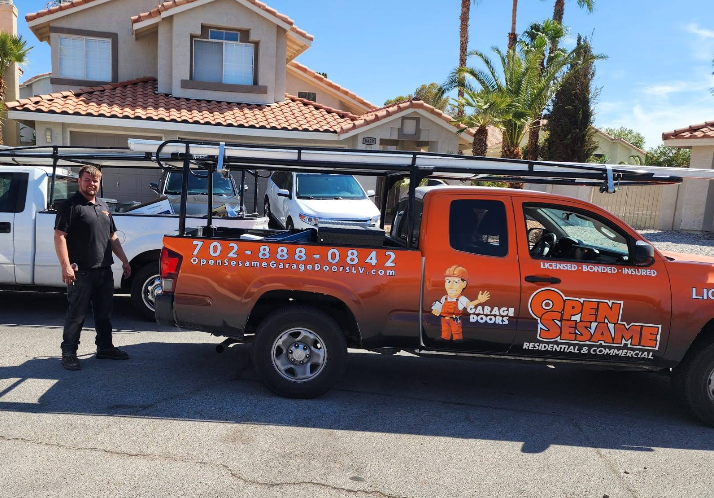
Open Sesame Garage Door is a local garage door repair company serving Las Vegas, Summerlin and nearby Clark County communities.
That makes the company a strong local option for homeowners who complete the checklist above and discover a condition that is no longer routine homeowner maintenance.
The value of a full-service garage door company is that several connected systems can be evaluated together.
A noisy opener may actually be reacting to poor door balance.
A crooked garage door may involve a cable rather than the opener.
A door that refuses to close may involve photo-eye sensors.
A door that opens only several inches may have a broken spring.
A pre-summer tune-up should distinguish those conditions rather than treat every complaint as the same repair.
Garage Door Maintenance & Tune-Ups
Inspection of normal garage door operation, rollers, tracks, hinges, visible spring and cable condition, opener performance and other maintenance concerns.
Spring & Cable Repair
Service when maintenance reveals a broken spring, damaged cable, loss of balance or related counterbalance problem.
Garage Door Opener Repair
Diagnosis for opener gears, trolleys, drive components, controls and sensor problems when the automatic system is not operating correctly.
For Homeowners
Open Sesame can be a helpful choice when your pre-summer check reveals a change in garage door movement, noise, balance or opener operation.
For Landlords and Property Managers
The company can help identify whether a tenant complaint involves normal maintenance, opener repair, spring repair, cables, rollers, tracks or another component.
For Renters
Renters can provide symptoms to the property owner or management company and avoid attempting high-tension spring and cable adjustments.
For Investors
A pre-occupancy garage door inspection can help distinguish a functional system from one showing visible maintenance or repair concerns.
For Local Businesses
Businesses relying on regular garage access can arrange service when unusual noise, opener strain or mechanical wear begins affecting reliable operation.
Contact Open Sesame Garage Door
- Call (702) 888-0842.
- Request a garage door inspection .
- View Open Sesame Garage Door on Google Maps .
- Visit Open Sesame Garage Door in Las Vegas .
Garage Door Maintenance Service Areas
Open Sesame Garage Door serves homeowners and property operators throughout Las Vegas, Summerlin and nearby Clark County communities.
These locations represent service areas and do not imply that Open Sesame maintains a separate physical office in every neighborhood.
Maintenance priorities can vary from property to property.
A Summerlin South home with a wide insulated door may warrant close attention to balance and opener strain.
An older Sun City Summerlin property may have springs and opener equipment with an uncertain maintenance history.
A Centennial Hills household with several drivers may consume many garage-door cycles each day.
A rental property in Spring Valley may require better maintenance documentation because several tenants use the door.
A house in The Lakes or Desert Shores may contain a mixture of original and replacement equipment installed at different times.
The correct maintenance decision follows the installed equipment and its actual condition—not merely the neighborhood name.
Open Sesame Garage Door — Las Vegas
Open Sesame Garage Door is located at 7865 Bluewater Dr, Las Vegas, NV 89128 and serves Las Vegas, Summerlin and nearby Clark County communities.
Open Sesame Garage Door
7865 Bluewater Dr
Las Vegas, NV 89128
Phone: (702) 888-0842
Garage Door Maintenance and Safety Authority Resources
Frequently Asked Questions About Garage Door Maintenance in Las Vegas
What garage door maintenance should I do before summer in Las Vegas?
Before summer, visually inspect the door sections, springs, cables, rollers, hinges and tracks; check opener operation and photo-eye sensors; inspect weather seals; clear dust and debris; and follow manufacturer instructions for approved lubrication and safety testing. Stop DIY maintenance if you discover a broken spring, loose cable, off-track roller or severely crooked door.
How often should I check my garage door?
Brief recurring visual and safety checks are useful because garage doors are frequently operated systems. Review your owner's manuals for the manufacturer-specific schedule. A more detailed inspection before Las Vegas summer is a practical time to look for changes in springs, cables, rollers, tracks, sensors, seals and opener performance.
Should I lubricate my garage door before summer?
Lubrication can help appropriate moving components when recommended by the manufacturer. Use the correct product and lubrication points for your door. Do not pack garage door tracks with heavy grease, and do not expect lubricant to repair bent tracks, broken springs, damaged rollers or loose cables.
How can I tell if my garage door springs need attention?
Warning signs include a visible gap in a torsion spring, a loud bang followed by difficult operation, a door that suddenly feels very heavy, an opener that lifts only a few inches, poor door balance or unusual spring-system movement. Homeowners should inspect springs visually and leave spring tension adjustments to trained technicians.
Can Las Vegas heat damage a garage door opener?
Las Vegas garages can become very hot, creating a demanding environment for electronics, batteries, plastic components, seals and lubricants. Heat should not automatically be blamed for every opener problem, however. Mechanical resistance, spring balance, gears, trolleys, belts, chains, controls and wiring may also be involved.
How do I know if my garage door rollers need replacement?
Rollers deserve inspection when they wobble excessively, grind, squeak persistently, stop rotating smoothly, appear physically damaged or begin leaving the track. Lubrication may help some serviceable roller bearings, but a worn or damaged roller may require replacement.
Can I adjust garage door springs or cables during maintenance?
No. Torsion springs, cable drums, bottom brackets and lifting cables can operate under substantial mechanical tension. Homeowners can visually inspect these components but should not wind springs, loosen set screws, adjust drums or reconnect loaded cables.
Why is my garage door noisier before summer?
Increased noise can come from dry or worn hinges, rollers, bearings, tracks, opener drive components or poor door balance. Las Vegas heat and dry conditions can influence the operating environment, but the actual sound should be diagnosed by location and movement rather than assumed to be caused by temperature.
Is same-day garage door maintenance or repair available in Las Vegas?
Open Sesame Garage Door offers same-day garage door service options in Las Vegas and Summerlin. Technician and parts availability can vary, so call (702) 888-0842 to ask about current scheduling for maintenance, inspection or a specific repair problem.
Related Garage Door Articles for Las Vegas Homeowners
Need a Pre-Summer Garage Door Inspection in Las Vegas or Summerlin?
If your maintenance check reveals a broken spring, worn roller, damaged cable, off-track door, sensor problem, unusual opener noise or a garage door that no longer moves smoothly, professional inspection can help identify the actual cause before unnecessary parts are replaced.
Call Open Sesame Garage Door at (702) 888-0842 for garage door maintenance, garage door repair and opener service in Las Vegas, Summerlin and nearby Clark County communities.
Safety reminder: Do not wind torsion springs, loosen spring hardware, adjust cable drums, reconnect tensioned cables or force an unstable or off-track garage door.