


Garage Door Maintenance Checklist for Summerlin Homeowners: What to Check Before Summer
Garage door maintenance in Summerlin is especially useful before the hottest part of the year because the complete garage-door system is about to spend months operating in a hot, dry and dusty Southern Nevada environment. A good pre-summer inspection does not mean taking apart springs or adjusting cables. It means looking for changes in door movement, inspecting visible hardware, cleaning safe components, checking the opener and safety system, examining weather seals, listening for new sounds and identifying warning signs before the garage door becomes stuck, crooked or difficult to operate. This checklist explains what Summerlin homeowners can safely inspect themselves, what should be left alone, and when a professional garage door tune-up is worth considering.
Table of Contents
- Quick Pre-Summer Checklist
- Why Check Before Summer?
- 1. Watch the Door Open and Close
- 2. Listen for New Garage Door Noises
- 3. Inspect the Torsion or Extension Springs
- 4. Inspect Garage Door Cables
- 5. Check Rollers and Hinges
- 6. Inspect Tracks and Track Brackets
- 7. Check Garage Door Balance
- 8. Inspect the Garage Door Opener
- 9. Check Photo-Eye Safety Sensors
- 10. Inspect Weather Seals
- 11. Inspect Door Sections and Hardware
- 12. Look for Loose Hardware
- 13. Clean Safe Moving Areas
- 14. Review Lubrication Needs
- 15. Check Remotes and Controls
- 16. Test Normal Safety Features
- 17. Inspect the Garage Environment
- Maintenance Checklist Table
- Summerlin Heat and Garage Doors
- Spring Life and Daily Cycles
- Warning Signs That Need Repair
- Maintenance Tasks Homeowners Should Not Do
- What a Professional Tune-Up Can Check
- Maintenance, Repair or Replacement?
- Advice by Property Type
- Questions Before Hiring
- Garage Door Service Red Flags
- Why Consider Open Sesame?
- Areas Served
- Authority Resources
- Frequently Asked Questions
- Related Blog Topics
- Request Maintenance Service
What Should Summerlin Homeowners Check on Their Garage Door Before Summer?
Before Summerlin's hottest months, watch the garage door complete several normal cycles and look for changes in speed, balance, noise or smoothness. Visually inspect the springs, cables, rollers, hinges, tracks, door sections and weather seals. Check the garage door opener, wall control, remotes and photo-eye sensors, and keep the tracks and sensor area free of ordinary dust and debris.
Pay particular attention to a visible gap in a torsion spring, loose or frayed cables, rollers outside the tracks, a crooked door, new grinding or scraping noises, a door that suddenly feels heavy, an opener that strains, damaged weather seals or safety sensors that no longer operate normally.
Homeowners should not wind garage door springs, loosen spring set screws, adjust cable drums, reconnect loaded cables or force an off-track garage door. If you find a spring, cable, track or balance problem, stop treating the issue as routine maintenance and have the system inspected before repeated operation causes additional damage.
Why Garage Door Maintenance Matters Before Summer in Summerlin
Garage doors are one of the largest moving systems in a typical Summerlin home.
A residential sectional garage door may move several times every day while supporting the combined work of springs, cables, drums, rollers, hinges, tracks and an automatic opener.
Unlike many indoor appliances, much of that equipment operates inside a garage that is exposed to substantial temperature swings, fine dust and strong exterior sun.
That makes late spring a logical time to look at the system before the intense summer season begins.
High Garage Temperatures
A Summerlin garage can become very hot during the afternoon, especially when the garage door faces west or receives extended direct sun.
The garage door spring is not the only component affected by the environment.
The automatic opener, control electronics, battery backup, belts, plastic components, weather seals and lubricated moving parts all operate in the same space.
Daily Garage Use Often Increases Wear
Many homeowners use the garage as the primary entrance to the house.
The door may open for work, school, errands, grocery trips, bicycles, deliveries, trash bins and evening activities.
That can create many more daily cycles than a homeowner realizes.
Small Changes Are Easier to Address Early
A roller that begins making noise may not seem urgent.
A cable with early fraying may still be supporting the door.
A weather seal may only have one damaged area.
An opener may sound slightly more strained than it did several months earlier.
Maintenance is useful because these changes can be noticed before the garage door becomes stuck.
Maintenance Helps Separate Normal Wear From Unsafe Conditions
A squeaky hinge is different from a broken torsion spring.
Dust on a photo-eye sensor is different from a cable hanging loose beside the door.
A remote with a weak battery is different from a garage door that is leaning because a roller has left the track.
A good maintenance checklist helps homeowners understand those differences.
Summer Access Matters
A garage door failure can trap a vehicle inside, leave a door stuck partly open or make everyday access inconvenient.
Finding a developing problem before the summer heat peaks can make scheduling and repair decisions less stressful.
Watch the Garage Door Complete a Normal Opening and Closing Cycle
One of the most useful maintenance checks requires no tools at all. Stand in a safe location where you can see the entire garage door and watch it complete a normal opening and closing cycle.
Do not stare only at the automatic opener.
Watch the physical garage door.
What Normal Movement Should Look Like
The door should generally travel through the tracks without obvious jerking, twisting or repeated stopping.
Both sides should remain reasonably level.
The rollers should remain inside the tracks.
The sections should follow the curved track without large flexing or binding.
Watch the Bottom Edge
The lower edge of the garage door can reveal balance problems quickly.
If one side consistently rises ahead of the other, that may point toward:
- A cable problem.
- A cable-drum problem.
- A roller problem.
- A track problem.
- A spring or counterbalance issue.
Watch for Hesitation
If the door always slows, jerks or strains at the same point, note the location.
A damaged roller, bent track, loose hinge or door-section problem may create resistance at one part of travel.
Watch the Top Section
The top door section should not bow dramatically when the opener starts lifting.
Strong flexing can indicate unusual resistance, poor door balance, inadequate reinforcement or another mechanical problem.
Listen for New Grinding, Popping, Squeaking, Scraping or Rattling
Garage doors make some normal mechanical noise, but a new sound is often more useful than the absolute volume of the door.
Grinding
Grinding can involve worn rollers, opener drive components, bearings or other mechanical resistance.
Do not assume every grinding noise comes from the opener.
Popping
Popping can occur when sections, hinges or rollers move under abnormal stress.
A sharp new pop deserves more attention than ordinary operating sound.
Squeaking
A squeak can come from hinges, rollers or other moving hardware.
It does not automatically mean a dangerous failure is developing, but it can be a reminder to inspect the complete moving system.
Scraping
Scraping may mean a roller, section or other component is contacting something it should not.
Look for visible rubbing marks and track alignment problems.
Rattling
Rattling can be associated with loose hardware, worn rollers, vibration from the opener or movement in door sections.
If your garage door has become substantially noisier, a related article is available about diagnosing garage door noises and what different sounds can mean.
Visually Inspect the Garage Door Springs
Springs are one of the most important components to observe during a garage door maintenance check, but they are not components homeowners should disassemble or retension.
Torsion Springs
Torsion springs are commonly mounted on a shaft above the garage door.
From the garage floor, look at the spring assembly without touching it.
Look for a Visible Gap
A broken torsion spring often has a visible separation in the coil.
If you see a gap, stop repeated automatic operation.
The opener may still run, but the garage door may have lost much of its counterbalance assistance.
Look for Obvious Physical Damage
Do not handle the spring.
Simply note visible damage, displacement or anything that looks significantly different from the opposite spring on a two-spring system.
Extension Springs
Extension springs are commonly installed along the horizontal tracks.
Look for obvious deformation, unusual separation or damaged surrounding hardware.
Do Not Judge Spring Health Only by Appearance
A spring can look normal and still be well into its mechanical cycle life.
Door behavior and balance are also important.
Open Sesame provides information about garage door spring replacement when a spring has already failed or the counterbalance system needs professional attention.
Inspect the Garage Door Cables From a Safe Distance
Garage door cables work with the spring system and can be under substantial load. The homeowner's maintenance task is visual inspection—not adjustment.
Look for Fraying
Frayed wire strands are a reason to have the cable evaluated.
Look for Unusual Slack
A cable that suddenly appears loose may indicate a spring, drum, balance or cable problem.
Look at Both Sides
Compare the left and right cable paths visually.
They should not appear dramatically different without explanation.
Look Near the Drum
If you can see that a cable is no longer seated normally on its drum, stop operating the garage door.
Do Not Re-Seat a Cable
Cable-drum work can involve spring tension.
A cable that has come off its drum is no longer a routine maintenance task.
For related service information, see garage door cable replacement.
Inspect Garage Door Rollers and Hinges
Rollers guide the garage door through the tracks while hinges allow the sections to articulate as the door moves from vertical to horizontal.
Look at the Rollers
Visible rollers should remain seated in the tracks.
Look for:
- Cracked or damaged roller material.
- Worn-looking roller wheels.
- Bent roller stems.
- Rollers that appear tilted or displaced.
- Unusual sideways movement.
Listen to Rollers During Movement
A roller that grinds, chatters or repeatedly catches may deserve inspection.
Look at the Hinges
Check for visible cracks, bent hinge leaves or fasteners that appear to have pulled from the door.
Pay Attention to Hinge Mounting Areas
A replacement hinge does not solve the problem if the door section beneath the hinge has torn or deteriorated.
Do Not Remove Bottom Fixtures
Hardware near the bottom of the garage door can be associated with cable attachment points.
Do not remove bottom brackets or loaded cable hardware during homeowner maintenance.
Inspect the Tracks and Track Brackets
The tracks guide the rollers and therefore control the path of the garage door.
Look for Visible Bends
A track should not have an obvious crushed or sharply bent section.
Look for Separation From the Wall
Track brackets should not appear to be pulling away from the supporting structure.
Look for Rub Marks
Fresh scraping or metal marks can indicate that a roller or other component is contacting the track abnormally.
Keep the Track Path Clear
Remove ordinary dust, leaves or loose debris that are safely accessible.
Do not pack the track with heavy grease unless the manufacturer specifically calls for it.
Do Not Hammer a Loaded Track Straight
If the garage door is crooked, off track or leaning on the track, the track may be carrying unusual force.
At that point, stop treating the issue as simple maintenance.
Pay Attention to Garage Door Balance
Door balance is one of the best indicators of how well the spring system is counterbalancing the weight of the garage door.
The Opener Does Not Carry the Full Door Weight
A properly balanced garage door relies on springs for most of its lifting assistance.
The automatic opener then moves the balanced door.
Warning Signs of Poor Balance
- The opener suddenly sounds more strained.
- The door opens only a few inches.
- The door appears dramatically heavier than before.
- The door rises unevenly.
- One cable becomes unusually loose.
- The top section flexes while the opener pulls.
Manual Balance Testing Requires Caution
Some manufacturer maintenance procedures include disconnecting the opener and checking manual door balance.
That procedure should only be considered when the garage door is fully closed, stable, on track and free of visible spring or cable problems, and when the homeowner is following the instructions for the exact installed system.
Do not pull the emergency release on a visibly unstable, crooked, off-track or broken-spring garage door merely to “test the balance.”
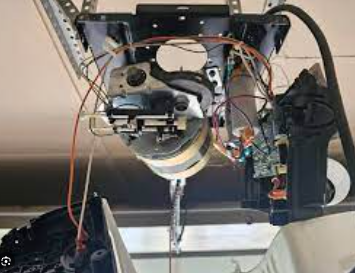
Inspect the Garage Door Opener and Rail
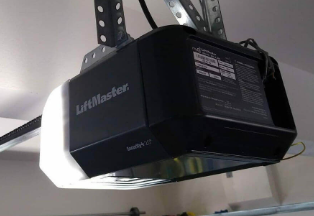
Pre-summer maintenance should include the automatic opener because the motor, trolley, rail, belt or chain, controls and safety system all contribute to reliable operation.
Listen to the Motor
Compare the current sound with normal operation.
A new grinding, harsh humming or repeated clicking sound deserves attention.
Watch the Rail
The opener rail should not flex dramatically while the door operates.
Watch the Trolley
The trolley should travel smoothly rather than jumping or binding.
Chain-Drive Systems
Look for obvious abnormalities in the chain and trolley movement.
Do not make random tension adjustments without consulting the opener manufacturer's instructions.
Belt-Drive Systems
Inspect the visible belt for obvious damage or unusual slack according to the opener manual.
Check the Power Cord and Outlet Area
Look for obvious damage.
Electrical repairs should be handled appropriately rather than improvised.
Battery Backup
If the opener has a backup battery, follow the manufacturer's maintenance schedule and status indicators.
High garage temperatures can be demanding on batteries and electronics.
If the opener shows symptoms that go beyond routine maintenance, Open Sesame has information about garage door opener repair in Las Vegas and Summerlin.
Check the Photo-Eye Safety Sensors
Photo-eye sensors are an important part of modern automatic garage door opener safety.
Look at Both Sensors
They are commonly mounted near the bottom of the vertical tracks.
Keep the Lens Area Clean
Fine dust and ordinary garage debris can accumulate around the sensors.
Use a gentle cleaning method appropriate for the equipment.
Check Alignment Indicators
Many opener systems use indicator lights to show sensor status.
Follow the manual for the exact opener because light patterns differ by manufacturer and model.
Look for Damaged Wires
Visible sensor wiring should not be cut, pinched or obviously damaged.
Do Not Bypass the Safety System
A safety sensor problem should be corrected rather than permanently bypassed.
Inspect the Bottom and Perimeter Weather Seals
Weather seals help reduce gaps around the garage door and can limit dust, outdoor air and small debris entering the garage.
Bottom Seal
Look at the seal along the bottom edge of the garage door.
Watch for:
- Cracking.
- Missing sections.
- Flattened areas.
- Large gaps.
- Seal material pulling away from its retainer.
Side and Top Seals
Inspect the perimeter trim where the garage door meets the opening.
Strong Las Vegas Sun Can Age Exterior Materials
Rubber, vinyl and similar materials can harden, fade or deteriorate over time.
Sun exposure and heat are worth considering during a spring inspection.
Do Not Overpromise What a Seal Will Do
A new weather seal can improve closure around the door, but it does not turn an unconditioned garage into an air-conditioned room.
Inspect the Garage Door Sections for Damage
Look at the physical garage door sections from both inside and outside.
Look for Dents
A cosmetic dent is different from a structural bend.
Pay attention to whether the damaged section flexes abnormally during operation.
Look Around Hinges
Hinge screws should not be tearing out of weakened material.
Look at the Top Section
The opener arm often connects near the upper section of the door.
Check for cracking, bending or separation around the attachment area.
Look at the Bottom Section
Damage near the lower corners deserves attention because lifting-cable hardware can be located nearby.
Look for Section Separation
Insulated or layered door sections should not appear to be separating structurally.
Look for Sun-Related Finish Changes
Fading itself is usually cosmetic, but widespread coating failure, corrosion or material deterioration may deserve further evaluation.
Look for Obviously Loose Hardware
Repeated garage door operation creates vibration, so a visual hardware check can be useful.
Look at Hinges
Note fasteners that visibly appear to have backed out.
Look at Track Brackets
The track should remain securely supported.
Look at Opener Mounting Hardware
The opener and rail should not appear to be hanging from loose or distorted supports.
Do Not Tighten Everything Indiscriminately
Not every bolt on a garage door is appropriate for homeowner adjustment.
Hardware associated with springs, bottom fixtures, cables and drums should not be treated like ordinary cabinet screws.
Clean Safe Areas Around the Garage Door
Summerlin dust and ordinary garage debris can collect around the operating area.
Clear the Floor Near the Tracks
Storage items should not interfere with door movement.
Clean Sensor Areas
Keep the photo-eye lens area free from ordinary dust.
Remove Loose Debris
Leaves, packaging, small stones and other loose material should not sit where rollers or the bottom seal travel.
Do Not Use Aggressive Solvents Without Guidance
Cleaning products can affect plastics, seals, finishes and electronic components.
Use methods appropriate for the manufacturer and material.
Review Garage Door Lubrication Needs
Garage-door maintenance commonly includes lubrication of appropriate moving hardware, but the correct locations and product depend on the system.
Follow Manufacturer Guidance
Use the owner's manual or hardware manufacturer's maintenance guidance rather than applying one product to every moving part.
More Lubricant Is Not Always Better
Excess grease can collect dirt and dust.
Tracks Are Guides, Not Grease Channels
The inside track surface generally needs to remain clean and unobstructed so rollers can travel normally.
Spring Lubrication Is Not Spring Adjustment
If the manufacturer calls for a light maintenance lubricant on the spring surface, that does not mean the homeowner should loosen set screws, move the spring or change spring tension.
Do Not Mix Maintenance With High-Tension Repair
The moment a task requires touching loaded spring, cable or drum hardware, it has moved beyond ordinary homeowner maintenance.
Check Wall Controls, Remotes and Keypads
Some garage-door complaints that appear mechanical are actually control problems.
Try the Wall Control
If the wall control works but one remote does not, the problem is probably not a complete opener motor failure.
Replace Remote Batteries When Needed
Weak remote batteries can cause intermittent operation.
Check Keypad Operation
If the home uses an exterior keypad, verify that it operates normally.
Review Vacation or Lock Mode
Some wall controls can disable remote operation.
Check the exact opener manual if remotes suddenly stop working while the wall control still operates the door.
Review Vehicle Integration
If a vehicle's built-in transmitter behaves differently from the handheld remote, the issue may involve programming rather than the garage door itself.
Test the Automatic Opener's Normal Safety Features According to the Manufacturer
Automatic garage door openers use safety systems intended to reduce entrapment risks.
Follow the Exact Opener Manual
Safety-test procedures can vary by system.
The manufacturer instructions should be the primary reference.
Photo-Eye Operation
Verify that the opener responds appropriately when the safety system detects an obstruction according to its instructions.
Automatic Reversal
The opener's reversing function should be tested using the manufacturer's recommended procedure.
Do Not Defeat Safety Features
Do not tape sensors together, bypass wiring or increase force settings simply to make a problematic door close.
Mechanical Problems Come First
If the garage door is crooked, off track, unusually heavy or visibly damaged, correct the mechanical condition before focusing on opener settings.
Inspect the Garage Environment Before Summer
Garage door maintenance is easier when the surrounding garage environment is considered as part of the system.
Clear Storage Near Moving Components
Avoid storing objects against tracks, springs, opener rails or photo-eye sensors.
Keep Cords Away From Door Travel
Extension cords, charging cables and storage straps should not cross the path of the garage door.
Look for Water Exposure
Although Summerlin is dry, irrigation leaks, cleaning activity or other water sources can still affect garage components.
Watch for Chemical Storage
Garage environments can contain pool chemicals, cleaners, fertilizers and other products.
Store products according to their safety instructions and away from mechanical components where practical.
Prepare for High Temperatures
If the opener uses battery backup or other heat-sensitive electronics, review the manufacturer maintenance information before the hottest part of the year.
Summerlin Garage Door Maintenance Checklist: What to Check and What It May Mean
| Maintenance Item | What to Look For | Safe Homeowner Action | When to Call for Service | Urgency |
|---|---|---|---|---|
| Door movement | Jerking, twisting, hesitation or uneven travel | Observe several normal cycles | If movement suddenly changes or one side lifts differently | Moderate to High |
| Torsion spring | Visible gap or obvious damage | Visual inspection only | Visible spring break or heavy door | High |
| Extension spring | Deformation or obvious damage | Visual inspection only | Spring or surrounding hardware appears damaged | High |
| Lifting cables | Fraying, slack, cable outside normal path | Visual inspection only | Loose, frayed or damaged cable | High |
| Cable drums | Cable no longer seated normally | Do not touch | Cable has come off the drum | High |
| Rollers | Cracking, wear, grinding or rollers outside tracks | Observe and keep area clean | Damaged or displaced rollers | Moderate to High |
| Hinges | Cracks, bending or torn mounting points | Visual inspection | Structural damage around hinge | Moderate |
| Tracks | Visible bend, separation, fresh scraping | Clear ordinary debris | Bent or displaced track | Moderate to High |
| Opener | Grinding, humming, abnormal strain or rail flex | Observe operation | Persistent abnormal motor or trolley behavior | Moderate |
| Photo-eye sensors | Dust, misalignment indication or damaged wiring | Clean gently and follow manual | Safety system still fails after safe checks | Moderate |
| Weather seals | Cracks, gaps, missing sections | Inspect and clean | Replacement needed for damaged seal | Low |
| Door sections | Large bends, separation, torn hinge areas | Visual inspection | Structural deformation affects travel | Moderate to High |
| Remotes | Intermittent operation | Replace battery and compare wall control | Multiple controls fail despite power | Low |
| Door balance | Door becomes unusually heavy or opener strains | Observe; follow manual only if system is stable | Heavy, crooked or unbalanced door | High |
| Unusual noise | Grinding, scraping, popping or new rattling | Identify area of sound | Noise is persistent or associated with binding | Low to Moderate |
How Summerlin Heat Can Affect Garage Door Maintenance Priorities
Las Vegas and Summerlin operate in a hot desert environment.
That does not mean every garage door failure is “caused by heat,” but it does mean the system spends long periods in conditions that are different from a mild climate.
Garage Door Opener Electronics
The automatic opener is often mounted near the ceiling, which can be one of the warmer areas in the garage.
Electronics, batteries and plastic components should be monitored according to manufacturer guidance.
Weather Seals
Heat and strong sun exposure can age flexible sealing materials.
Inspect seals before summer rather than waiting until they crack extensively.
Lubrication
Appropriate lubrication can change over time as dust and temperature affect the garage environment.
Follow manufacturer recommendations instead of assuming any thick grease is suitable.
Garage Door Finish
Strong sun exposure can change exterior appearance.
Finish maintenance is different from mechanical maintenance but still worth including during inspection.
Dust
Fine desert dust can collect around tracks, rollers and safety sensors.
Keeping safe areas clean can make inspection easier and reduce false troubleshooting caused by simple debris.
Heavy Insulated Doors
Some Summerlin homeowners use insulated garage doors.
Heavier doors make correct spring balance particularly important.
A stronger opener should never be used as a substitute for a properly balanced spring system.
How Daily Garage Use Affects Spring Maintenance and Lifespan
Garage door springs are better understood through cycles than simple calendar age.
One complete opening and closing represents one cycle.
A household that operates the garage door many times every day can accumulate spring cycles much faster than a lightly used home.
Why This Matters During Maintenance
A homeowner may say:
“My spring is only six years old.”
That statement does not tell the whole story.
If the garage is the main household entrance and several drivers use it, the spring may have completed many thousands of cycles.
Track Major Spring Replacements
When springs are replaced, note the date and ask what spring specification or cycle option is being installed.
Listen for Changes Rather Than Waiting for Failure
A spring can eventually break suddenly, but changes in door balance, opener strain or cable tension may provide useful warning that the counterbalance system deserves inspection.
For a deeper explanation, read how garage door spring lifespan relates to Summerlin heat and daily cycles.
Garage Door Warning Signs That Are No Longer Routine Maintenance
The most important part of a maintenance checklist is knowing when to stop.
Visible Broken Spring
A gap in a torsion spring means the spring has failed.
Garage Door Suddenly Feels Very Heavy
Loss of spring assistance can make the true door weight obvious.
Door Opens Only a Few Inches
This can happen when the opener is trying to move a door that has lost spring assistance or is binding mechanically.
Loose or Snapped Cable
A cable problem can make the door unstable or uneven.
Door Is Crooked
If one side is substantially higher, stop repeated operation.
Roller Outside the Track
An off-track door should not be forced with the automatic opener.
Bent Track Supporting a Loaded Door
Do not hammer or pry loaded track hardware while the door is hanging on it.
Grinding Opener
Persistent grinding from the opener can indicate drive-component wear.
Top Section Bending
If the opener is flexing the upper section significantly, stop and determine why the door is resisting movement.
Door Will Not Secure the Garage
A door stuck open or partly open creates an access and security issue that deserves prompt attention.
Garage Door Maintenance Tasks Summerlin Homeowners Should Not Do
- Do not wind or unwind torsion springs.
- Do not loosen torsion spring set screws.
- Do not remove spring brackets.
- Do not adjust cable drums.
- Do not reconnect garage door cables under tension.
- Do not remove bottom cable brackets.
- Do not cut, shorten or modify garage door springs.
- Do not force an off-track garage door back into place.
- Do not hammer a loaded track straight while the door is unstable.
- Do not repeatedly operate a severely crooked garage door.
- Do not lift an extremely heavy double garage door by yourself.
- Do not continue running an opener that is clearly straining.
- Do not increase opener force to overpower a binding door.
- Do not bypass photo-eye safety sensors.
- Do not disconnect an unstable garage door from the opener merely to test it.
- Do not stand under a visibly unstable garage door.
Maintenance and Repair Are Different
Cleaning sensors, replacing remote batteries, visually inspecting hardware and clearing ordinary debris are very different from changing the tension in the garage door's lifting system.
Springs Store Mechanical Energy
Torsion and extension springs are designed to counterbalance a heavy moving door.
Improper spring work can create sudden movement.
Cables Can Be Loaded
Garage door cables can carry force from the spring system.
A loose cable may look harmless even though the surrounding system is still under load.
Bottom Brackets Deserve Particular Caution
Cable attachment hardware is often associated with the lower portion of the garage door.
Do not remove bottom fixtures casually.
What Can a Professional Garage Door Tune-Up Check?
A professional tune-up can go further than homeowner-safe visual inspection.
The exact work depends on the garage door and the company's service scope, but a comprehensive inspection may evaluate how the complete system works together.
Spring Condition and Balance
The technician can determine whether the spring system is appropriately counterbalancing the installed garage door.
Cable Condition
Fraying, unusual cable tracking and drum issues can be evaluated.
Roller Condition
Worn or damaged rollers can be identified before they create more severe binding.
Track Alignment
Tracks can be checked for alignment, mounting security and impact damage.
Hinges and Section Hardware
Hardware can be evaluated for wear and structural attachment problems.
Opener Operation
The motor, trolley and drive system can be observed under normal operation.
Safety Sensors
Sensor condition and operation can be checked according to the opener system.
Door Travel
A technician can identify where resistance or abnormal movement occurs.
Weather Seals
Damaged sealing components can be identified.
Unusual Noise
A professional can isolate whether the sound is coming from rollers, hinges, tracks, bearings, springs, the opener or another component.
Repair Priorities
A useful inspection should distinguish:
- Items that are functioning normally.
- Maintenance items.
- Repairs that can be scheduled.
- Safety-related problems that should be addressed before continued operation.
- Optional upgrades.
Can Pre-Summer Maintenance Reveal That the Door Needs Repair or Replacement?
Yes, but maintenance findings should be interpreted carefully.
Maintenance May Reveal a Simple Repair
Examples include:
- A worn roller.
- A damaged weather seal.
- A sensor problem.
- An opener-control problem.
- A serviceable hinge.
Maintenance May Reveal a Larger Mechanical Repair
Examples include:
- A broken spring.
- A frayed cable.
- A cable off the drum.
- A bent track.
- An off-track roller.
- A failing opener drive system.
Maintenance Does Not Automatically Mean Replacement
A broken spring, opener or cable can often be repaired without replacing a structurally healthy garage door.
Replacement Is a Separate Decision
A new door becomes worth comparing when the physical door has broader structural problems such as several damaged sections, widespread deterioration, unavailable replacement panels or major impact damage.
For more detail, read when garage door repair or replacement makes more sense in Summerlin.
Pre-Summer Garage Door Maintenance Advice by Property Type
Summerlin Homeowners
Homeowners should perform a visual inspection before summer and note changes in door movement, sound, balance and sealing.
If the door is operating normally, this provides a useful baseline for detecting future changes.
Open Sesame also provides garage door service in Summerlin.
Landlords
A seasonal inspection can reduce uncertainty when tenants later report that “the garage door is broken.”
Document:
- Current spring condition.
- Current opener operation.
- Existing panel damage.
- Condition of the bottom seal.
- Known previous repairs.
Property Managers
For multiple properties, use the same inspection checklist so maintenance records are comparable.
A consistent process can show which garage doors have repeated problems and which only need ordinary seasonal service.
Renters
Renters can report:
- Unusual sounds.
- A door that becomes heavy.
- A visible spring gap.
- A loose cable.
- An opener that strains.
- A damaged weather seal.
Do not perform spring or cable adjustments without authorization and proper training.
Real Estate Investors
A pre-listing or turnover inspection can help distinguish cosmetic garage-door issues from mechanical conditions that deserve repair before occupancy.
HOA Communities
Maintenance can preserve the existing exterior door when mechanical components are the only problem.
This can be useful in neighborhoods where exterior door style is subject to architectural guidelines.
Small Businesses
A business using a garage-style door regularly should pay attention to cycle frequency and downtime.
Higher-use equipment may require a different maintenance program from a low-use residential door.
Local Commercial Property Operators
Commercial properties should follow the maintenance requirements for the actual installed equipment rather than relying on residential assumptions.
Questions to Ask Before Hiring a Garage Door Maintenance or Repair Company
- What components will you inspect during the maintenance visit?
- Will you inspect the springs?
- Will you check garage door balance?
- Will you inspect the cables?
- Will you inspect the cable drums?
- Will you inspect the rollers?
- Will you inspect the hinges?
- Will you inspect the tracks?
- Will you inspect track mounting brackets?
- Will you inspect the garage door opener?
- Will you check the trolley and rail?
- Will you inspect photo-eye sensors?
- Will you test normal opener safety functions?
- Will you inspect the bottom weather seal?
- Will you inspect perimeter seals?
- Will you inspect the door sections?
- Will you inspect opener reinforcement on the top section?
- Will you identify loose hardware?
- Will you explain which lubrication is appropriate?
- Will you identify where lubrication should not be applied?
- Will you listen for abnormal garage-door sounds?
- Will you show me any frayed cable?
- Will you show me any damaged roller?
- Will you show me any broken spring?
- Will you explain whether a repair is necessary or optional?
- Is the garage door structurally healthy?
- Is the opener actually damaged?
- Is the opener being strained by poor door balance?
- Does the garage door need repair or only maintenance?
- Are any conditions unsafe for continued operation?
- Are service-call charges included?
- Is labor included in any repair quote?
- Are replacement parts itemized?
- Are any urgent scheduling charges separate?
- What warranty applies to any repair being recommended?
- Can I receive a written estimate before additional work begins?
Garage Door Maintenance and Tune-Up Red Flags
Be cautious if a company:
- Recommends replacement without inspecting the garage door.
- Claims every spring must be replaced simply because summer is approaching.
- Cannot explain what failed.
- Does not evaluate garage door balance.
- Does not inspect cables.
- Does not inspect tracks or rollers.
- Claims a broken spring automatically requires a new opener.
- Claims a noisy roller automatically requires a new garage door.
- Uses vague phrases such as “everything is worn out” without showing you.
- Pushes a large replacement project before separating required repairs from optional upgrades.
- Changes a quote without explaining newly discovered conditions.
- Cannot explain parts and labor.
- Will not provide a written estimate when requested.
- Provides unsafe DIY advice involving spring winding.
- Tells you to loosen torsion spring set screws.
- Tells you to adjust loaded cable drums.
- Tells you to reconnect garage door cables under tension.
- Tells you to force an off-track garage door.
- Suggests increasing opener force instead of correcting a heavy or binding door.
- Tells you to bypass automatic safety sensors.
- Has no clear local business identity.
- Has no clear Las Vegas or Summerlin service area.
- Cannot explain warranty terms for repairs.
- Pressures you to approve unrelated work immediately.
Why Consider Open Sesame Garage Door for Pre-Summer Maintenance in Summerlin?
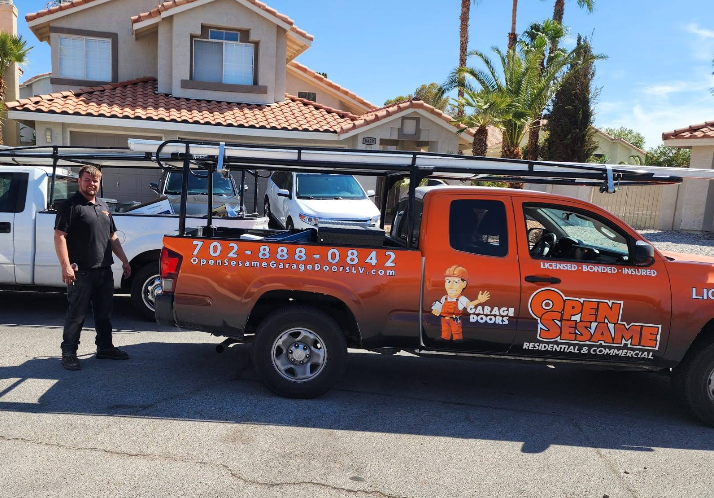
Open Sesame Garage Door is a local garage door repair company serving Summerlin, Las Vegas and nearby Clark County communities.
The company is a strong local option for homeowners who want a garage door evaluated before the hottest part of summer rather than waiting until a small change becomes a stuck-door problem.
A maintenance inspection is most useful when the entire system is considered together.
Springs affect balance.
Cables transfer lifting force.
Rollers guide the door.
Tracks control the travel path.
Hinges allow the sections to articulate.
The opener moves a properly balanced door.
Sensors help protect the closing path.
Weather seals help close gaps around the opening.
A problem with one component can change how several other components behave.
Garage Door Tune-Ups
A pre-summer inspection can identify changes in movement, noise, rollers, tracks, cables, springs, opener operation and weather seals.
Spring & Balance Service
Spring and balance problems can be evaluated when the garage door becomes heavy, uneven or difficult for the opener to move.
Garage Door Opener Service
Opener, trolley, rail, sensor and control problems can be separated from mechanical garage-door problems.
Garage Door Repair
Open Sesame can address problems found during maintenance when a garage door requires more than cleaning or observation.
Broken Spring Repair
A visible spring failure should be treated as a repair issue rather than routine homeowner maintenance.
Garage Door Opener Repair
A grinding, straining or malfunctioning opener can be evaluated separately from the physical garage door.
Garage Door Cable Repair
Frayed, loose or displaced lifting cables should be inspected rather than manually repositioned by the homeowner.
Off-Track Garage Door Repair
A roller outside the track or a severely crooked door should not be forced with the opener.
Roller Replacement
Worn rollers can create noise and resistance while the main garage door remains structurally healthy.
Sensor Repair
Opener safety sensors can be cleaned and visually checked by homeowners, but wiring, alignment or component problems may require service.
Noisy Garage Door Repair
New grinding, scraping, rattling or popping can be traced to the mechanical source.
Same-Day Garage Door Repair Option
If a maintenance check reveals a broken spring, cable problem, stuck door or another condition that affects access, call to ask about current same-day scheduling.
For Homeowners
Open Sesame can help separate ordinary maintenance from repairs that should be completed before continued daily use.
For Landlords and Property Managers
A seasonal inspection can document the condition of springs, cables, rollers, sections and openers before tenant complaints arise.
For Renters
Renters can report symptoms while leaving high-tension spring and cable work to the property owner and service provider.
For Real Estate Investors
Maintenance can help identify targeted repairs before a property turnover or sale.
For Local Businesses
Local operators can discuss equipment use, cycle frequency and access needs when planning maintenance.
Contact Open Sesame Garage Door
- Call (702) 888-0842.
- Request a pre-summer garage door inspection .
- View Open Sesame Garage Door on Google Maps .
- Visit Open Sesame Garage Door serving Summerlin and Las Vegas .
Garage Door Maintenance Service Areas
Open Sesame Garage Door serves homeowners, landlords, property managers, renters, real estate investors and local businesses throughout Summerlin, Las Vegas and nearby Clark County communities.
The service areas below describe geographic coverage and do not imply that the company has a separate physical location in each neighborhood.
Summerlin and Summerlin South homeowners may place particular emphasis on insulated garage doors, attached garages and the effect of strong afternoon sun.
Sun City Summerlin homeowners may have garage doors where the sections, springs and automatic opener were installed at different points in time.
Homes in The Lakes, Desert Shores, Peccole Ranch and Canyon Gate may have established systems where maintenance records make it easier to distinguish normal wear from developing mechanical problems.
Queensridge properties may include larger or decorative doors where correct balance and roller condition are especially important.
Lone Mountain, Centennial Hills, Skye Canyon and Southern Highlands homes may have newer equipment but still accumulate substantial cycles in multi-driver households.
Spring Valley, Enterprise, Paradise and Winchester rental properties can benefit from a consistent seasonal maintenance checklist that helps landlords and managers document the condition of the garage door before summer.
Open Sesame Garage Door — Las Vegas Location
Open Sesame Garage Door is located at 7865 Bluewater Dr, Las Vegas, NV 89128 and serves Summerlin, Las Vegas and nearby Clark County communities.
Open Sesame Garage Door
7865 Bluewater Dr
Las Vegas, NV 89128
Phone: (702) 888-0842
Garage Door Maintenance and Safety Authority Resources
Frequently Asked Questions About Garage Door Maintenance in Summerlin
What garage door maintenance should Summerlin homeowners do before summer?
Watch the door operate, listen for new noises, visually inspect the springs, cables, rollers, hinges and tracks, check the opener and photo-eye sensors, inspect weather seals and look for damage to the door sections. Keep safe areas clean and follow manufacturer guidance for lubrication and opener safety tests.
How often should I inspect my garage door in Summerlin?
Follow the maintenance schedule provided by the garage-door and opener manufacturers. A visual pre-summer check is useful in Summerlin because it provides an opportunity to identify changes before months of high garage temperatures and frequent daily use.
Should I lubricate my garage door before summer?
Appropriate garage-door hardware may require lubrication, but the correct product and locations depend on the installed system. Follow manufacturer recommendations and avoid packing the tracks with heavy grease. Lubrication does not include changing spring tension or adjusting cable drums.
How can I tell whether my garage door spring needs attention?
Warning signs include a visible gap in a torsion spring, a garage door that becomes unusually heavy, an opener that suddenly strains, uneven lifting or a loose cable after spring tension is lost. Homeowners should visually inspect springs but should not wind, unwind or adjust them.
What garage door maintenance is unsafe for homeowners?
Homeowners should not wind torsion springs, loosen spring set screws, remove spring or bottom brackets, adjust cable drums, reconnect loaded cables or force an off-track garage door. These tasks involve loaded lifting and counterbalance components.
Does Summerlin heat damage garage door openers?
Summerlin garages can experience high temperatures, which create a demanding environment for opener electronics, batteries, plastics, seals and other components. Heat should be considered as one operating factor rather than assumed to be the sole cause of every opener failure.
What are signs my garage door needs repair instead of routine maintenance?
A broken spring, frayed or loose cable, roller outside the track, severely crooked garage door, bent loaded track, opener grinding under load, door that becomes extremely heavy or a door that will not secure the garage should be treated as repair issues rather than ordinary maintenance.
Can Open Sesame Garage Door provide pre-summer garage door service in Summerlin?
Open Sesame Garage Door serves Summerlin and Las Vegas with garage door repair and related maintenance services. Call (702) 888-0842 to ask about current scheduling for a pre-summer inspection or garage door tune-up.
Related Garage Door Blog Topics
Want Your Garage Door Checked Before Summer?
If your garage door has become noisier, feels heavier, opens unevenly, strains the opener, has a loose cable, shows a broken spring or has damaged rollers, tracks or weather seals, a pre-summer inspection can help identify what needs maintenance and what needs repair.
Call Open Sesame Garage Door at (702) 888-0842 for garage door maintenance and repair in Summerlin, Las Vegas and nearby Clark County communities.
Safety reminder: Do not wind garage door springs, adjust cable drums, reconnect loaded cables, remove bottom cable fixtures or force an unstable or off-track garage door.