


How Long Do Garage Door Springs Last in Las Vegas Heat?
Garage door springs are wear components, and their useful life is better measured in opening-and-closing cycles than by calendar years alone. Many standard torsion spring systems are designed around approximately 10,000 operating cycles, while higher-cycle spring options are available. In Las Vegas and Summerlin, the number of times you use the garage door, correct spring sizing, door weight, spring quality, balance, maintenance and the hot desert operating environment can all influence how long the overall system performs reliably.
Table of Contents
- Quick Answer: How Long Do Springs Last?
- Why Spring Life Is Measured in Cycles
- Garage Door Spring Lifespan Table
- How Daily Garage Use Changes Lifespan
- Does Las Vegas Heat Shorten Spring Life?
- Heat vs. Normal Metal Fatigue
- Torsion vs. Extension Spring Lifespan
- Are High-Cycle Springs Worth It?
- How Garage Door Weight Affects Springs
- Why Correct Door Balance Matters
- Warning Signs Springs Are Wearing Out
- How to Recognize a Broken Spring
- Safe Homeowner Checks
- What Homeowners Should Not Do
- Can Maintenance Extend Spring Life?
- Replace One Spring or Both?
- Spring Problems and Opener Strain
- When Should Springs Be Replaced?
- Questions to Ask a Garage Door Company
- Spring Replacement Red Flags
- Why Consider Open Sesame?
- Las Vegas Service Areas
- Authority Resources
- Garage Door Spring FAQs
- Request Garage Door Spring Service
How Long Do Garage Door Springs Last in Las Vegas Heat?
Many standard garage door torsion springs are commonly designed for about 10,000 opening-and-closing cycles. Depending on how often your household uses the garage, that could translate to roughly 7 to 14 years—or considerably less for a high-use garage. Higher-cycle springs can be designed for substantially more operating cycles.
Las Vegas heat does not create a universal expiration date for garage door springs. Spring life is affected by cycle count, spring dimensions, door weight, correct installation, door balance, corrosion, maintenance and how smoothly the rest of the garage door system operates. The desert climate can contribute to a demanding environment for lubricants, seals, rollers, electronics and other components, but it is inaccurate to say that every spring failure is caused by heat alone.
A family that opens and closes the garage door eight times per day can consume a 10,000-cycle spring far faster than a household that cycles the door twice per day. For that reason, daily usage is often more useful than the age of the house when estimating how much spring life may remain.
If your spring has a visible gap, the door suddenly becomes extremely heavy, the opener lifts only a few inches or a cable becomes loose, stop repeated operation and have the spring and balance system inspected.
Garage Door Spring Lifespan in Las Vegas: Why There Is No Single Number
Homeowners often ask a garage door technician, “How many years should my springs last?”
It sounds like a simple question, but years are not the most accurate measurement.
Garage door springs do not know whether they have been installed for three years, seven years or twelve years. They respond to mechanical work.
Every time your garage door closes, the spring stores energy. Every time the door opens, the spring releases energy to help counterbalance the door.
That repeated winding and unwinding creates metal fatigue over time.
This is why the garage door industry describes spring life in cycles.
A cycle generally means one complete opening and closing of the garage door.
If you leave for work in the morning and return in the evening, that activity may create multiple spring cycles depending on how your household uses the garage.
A family with several vehicles can use dramatically more cycles than a homeowner who enters primarily through the front door.
A rental property with multiple drivers may use even more.
A garage serving a home office or small business can operate repeatedly throughout the day.
That difference matters more than many homeowners realize.
A homeowner searching for garage door repair in Las Vegas should therefore avoid assuming that a spring “should last ten years” simply because a neighbor's spring lasted that long.
The two households may have consumed very different numbers of cycles.
The garage doors may also differ in weight.
One may be a basic non-insulated steel door.
Another may be a heavy insulated double door, wood-overlay door, full-view glass door or custom residential garage door.
Spring wire size, spring length, inside diameter, drum configuration, door height, track geometry and number of springs can all differ.
Those differences affect the spring system required to balance the door correctly.
Las Vegas adds another layer to the conversation because garage-door equipment operates through intense summer heat, strong sun exposure, dust and a dry desert environment.
Those conditions matter, but they should be discussed accurately.
Heat should not become a catch-all explanation for every spring that breaks.
Normal metal fatigue from repeated cycles remains fundamental.
The more useful question is:
How many cycles was this spring designed for, how many cycles does my household use, and is the garage door system operating in a way that avoids unnecessary strain?
Why Garage Door Spring Life Is Measured in Cycles Instead of Years
The Door & Access Systems Manufacturers Association, commonly known as DASMA, publishes technical information explaining that spring cycle life can be affected by installation, handling and door usage.
This reinforces an important principle:
Spring lifespan is not simply a calendar calculation.
A spring performs mechanical work every time the garage door travels.
Consider two Summerlin households.
Household A: Light Garage Use
One driver leaves in the morning and returns at night.
The family often uses the front door for walks, deliveries and neighborhood activities.
The garage door averages about two complete cycles per day.
Household B: Heavy Garage Use
Three drivers leave and return at different times.
Children enter through the garage after school.
The family uses the garage to access bicycles, tools and outdoor equipment.
The garage door may operate eight or more cycles per day.
If both garages have springs with similar cycle ratings, Household B can reach the spring's expected cycle count far sooner.
This is why two identical houses built in the same year can experience spring failure several years apart.
What Counts as One Garage Door Cycle?
One complete cycle generally means:
The garage door opens fully and then closes fully.
Opening halfway and closing again still places mechanical work on the system, but standard life-cycle discussions generally use complete cycles as the reference.
Why Cycle Ratings Are Estimates, Not Guarantees
A rated cycle life does not guarantee that a spring will break exactly on cycle 10,001.
The rating is better understood as an expected design-life benchmark under appropriate operating conditions.
Actual life can differ because of:
- Spring manufacturing tolerances.
- Correct or incorrect spring sizing.
- Door weight.
- Garage door height.
- Number of springs.
- Spring installation.
- Daily usage patterns.
- Door balance.
- Track resistance.
- Roller condition.
- Cable and drum condition.
- Corrosion or contamination.
- Environmental exposure.
- Maintenance.
The spring rating is therefore a useful comparison tool, not an exact expiration date.
How Many Years Can a 10,000-Cycle Garage Door Spring Last?
You can estimate spring life by dividing the approximate cycle rating by your household's average daily garage door use.
The table below is illustrative. It does not predict the exact lifespan of a particular spring because real-world conditions vary.
| Average Complete Cycles Per Day | Approximate Annual Cycles | 10,000-Cycle Spring: Theoretical Time | Household Example | What It Means |
|---|---|---|---|---|
| 1 cycle/day | 365 | About 27 years | Very lightly used secondary garage | Calendar aging and other conditions may become relevant long before the theoretical cycle limit. |
| 2 cycles/day | 730 | About 13.7 years | One-driver household with light use | A standard-cycle spring may last well over a decade if the system remains properly balanced and maintained. |
| 3 cycles/day | 1,095 | About 9.1 years | Typical moderate-use household | This is one reason homeowners often hear broad estimates around seven to ten years. |
| 4 cycles/day | 1,460 | About 6.8 years | Primary household garage entrance | Cycle use begins to accumulate quickly. |
| 6 cycles/day | 2,190 | About 4.6 years | Multiple drivers | A standard-cycle spring may reach expected cycle life in less than five years. |
| 8 cycles/day | 2,920 | About 3.4 years | Busy family or rental property | High-cycle springs may be worth discussing. |
| 10 cycles/day | 3,650 | About 2.7 years | Very high-use residential garage | Standard springs can consume their expected cycle life quickly. |
How Daily Garage Door Use Changes Spring Lifespan
Daily usage is one of the easiest factors for a homeowner to understand and one of the most commonly overlooked.
Many Las Vegas families do not consider themselves heavy garage users because they are not standing in the garage all day.
But count actual door movements.
A parent leaves for work.
Another adult leaves thirty minutes later.
Someone returns at lunch.
Children arrive after school.
A vehicle leaves for an evening activity.
Someone opens the garage to take out bicycles.
The door opens again to put away trash containers.
By the end of the day, eight or ten cycles can accumulate surprisingly easily.
The Garage as the Main Entrance
In many suburban Las Vegas homes, the garage functions as the practical front door.
Family members enter from the driveway through the garage instead of walking around to the main entrance.
That convenience increases spring cycles.
Multiple Drivers
Two or three drivers with different schedules can rapidly multiply daily door operation.
A home with teenagers or adult children may use substantially more cycles than a single-driver household.
Rental Properties
Landlords and property managers should consider tenant-use patterns when deciding whether a higher-cycle spring makes sense.
A rental occupied by several adults may consume spring cycles quickly even if the garage door is relatively new.
Home Businesses and Frequent Deliveries
A residential property used for frequent equipment access, service work or inventory can also experience higher-than-average garage door operation.
Track Your Garage Use for One Week
Homeowners who want a better estimate can count complete opening and closing cycles for seven ordinary days.
Divide the weekly total by seven.
That average gives you a more useful number to discuss with a garage door technician than simply saying the springs are “about five years old.”
Does Las Vegas Heat Shorten Garage Door Spring Life?
Las Vegas summer heat is real and relevant to garage door systems, but the relationship with spring lifespan should be explained carefully.
The National Weather Service describes Las Vegas as a desert climate with abundant sunshine and summer temperatures that commonly reach triple digits.
A closed residential garage can become extremely hot, particularly when the door and driveway receive strong afternoon sun.
That creates a demanding environment for the garage door system.
However, there is an important distinction:
Extreme heat should not be treated as the only or automatic cause of garage door spring failure.
Garage door springs primarily fail through accumulated fatigue and other mechanical or environmental influences.
The spring repeatedly winds and unwinds.
Microscopic fatigue accumulates.
Eventually, the metal can fracture.
The exact timing depends on the spring and operating system.
What Las Vegas Heat Can Affect Around the Spring System
Even when heat is not the sole cause of a snapped spring, hot garage conditions can influence the larger garage door environment.
Lubrication
High temperatures and a dry environment can make regular inspection of lubrication and moving hardware more important. Proper garage-door-specific lubricant should be used where appropriate rather than heavy grease packed into tracks.
Rollers & Bearings
If rollers, bearings or hinges become dry, worn or resistant, the garage door may stop moving as smoothly as intended. The spring system then operates as part of a door with greater mechanical resistance.
Opener Electronics
Garage-door openers, capacitors, batteries and electronics also operate in the hot garage environment. An opener problem should still be diagnosed separately rather than blamed automatically on temperature.
Direct Sun Exposure
A west-facing garage door can receive intense afternoon sun.
The exterior door surface, hardware and enclosed garage can become much hotter than comfortable indoor spaces.
Sun exposure can also affect weather seals, paint, plastic components and other materials over time.
Dust and Fine Desert Debris
Las Vegas wind and dry conditions can bring fine dust into garages.
Dust can accumulate around tracks, hinges, rollers, bearings and opener components.
Keeping the garage door system clean helps technicians distinguish normal wear from mechanical problems and can reduce avoidable interference with moving hardware.
Temperature Swings
Garage-door components can experience significant temperature changes between hot afternoons, overnight conditions and cooler winter months.
The spring remains a mechanical wear component regardless of temperature, but the overall system operates through those changing environmental conditions.
Why We Avoid the Claim “Vegas Heat Kills Springs”
It sounds compelling as marketing language, but it oversimplifies the engineering.
Two springs exposed to the same Las Vegas summer can last very different lengths of time if one cycles twice per day and the other cycles ten times per day.
A correctly balanced door and a binding door can also produce very different operating conditions.
The strongest local explanation combines:
- Cycle count.
- Spring quality.
- Correct sizing.
- Door weight.
- Installation.
- Balance.
- Maintenance.
- Mechanical resistance.
- Desert operating environment.
Garage Door Spring Failure: Heat vs. Normal Metal Fatigue
When a torsion spring breaks in July, it is natural to connect the event directly to the temperature outside.
But correlation does not prove that temperature alone caused the failure.
The spring may already have completed thousands of cycles.
It may have been near the end of its fatigue life before the hottest week arrived.
The door may have become heavier because of binding rollers.
The spring may have been incorrectly sized.
The second spring in a pair may have been carrying more load because the first was weakening.
A technician therefore needs to examine the complete system rather than simply declaring that “the heat broke it.”
Normal Fatigue
Repeated bending and twisting place stress on metal.
Torsion springs repeatedly wind and unwind.
That repeated mechanical loading is fundamental to spring fatigue.
Incorrect Spring Sizing
A spring should be matched to the garage door.
Wire size, inside diameter, spring length, door weight, drum size and door height can all matter.
A replacement spring should not be selected simply because it physically fits on the torsion shaft.
Poor Door Balance
The spring system should allow the door to operate in a balanced manner.
If the door is consistently too heavy or wants to rise aggressively on its own, the system deserves inspection.
Binding Hardware
A spring can be correctly selected while the garage door still operates badly because tracks, rollers, hinges or bearings create resistance.
That is why spring service should include an operational check of the entire door.
Do Torsion Springs and Extension Springs Last the Same Amount of Time?
Not necessarily.
Torsion and extension springs work differently, and actual lifespan depends on the spring's design and rating rather than the category name alone.
Torsion Springs
Torsion springs are usually mounted above the garage door opening on a metal shaft.
As the door closes, the spring winds and stores energy.
When the door opens, that stored energy helps rotate the shaft and drums so the cables assist in lifting the door.
Many modern sectional residential garage doors use torsion spring systems.
Extension Springs
Extension springs generally run parallel to the horizontal tracks.
They stretch as the door closes and contract as the door opens.
Their installation uses a different cable and pulley arrangement.
Safety cables are important components in extension-spring systems.
Spring Type Alone Does Not Tell You Cycle Life
You cannot accurately say that every torsion spring lasts a certain number of years and every extension spring lasts another number.
Ask about the actual cycle rating and spring specification.
Those details are more useful than a broad label.
Are High-Cycle Garage Door Springs Worth It in Las Vegas?
They can be.
The decision depends primarily on how frequently the garage door operates and how long you expect to use the property.
Higher-cycle spring configurations are designed to provide more operating cycles than standard lower-cycle options.
That does not make them automatically necessary for every homeowner.
The value depends on your use pattern.
High-Cycle Springs May Be Worth Considering When:
- The garage door is your family's primary entrance.
- Several drivers use the same garage.
- The door operates six or more complete cycles on many days.
- You expect to remain in the home for many years.
- The garage serves a high-use rental property.
- The door is part of a busy multi-unit property.
- You want to compare long-term cost rather than only the lowest initial price.
A Standard-Cycle Spring May Still Be Reasonable When:
- The garage is used infrequently.
- The door is a secondary garage.
- The home may be sold soon.
- Your actual daily cycle count is low.
- The standard spring is correctly sized for the door and meets your needs.
Ask for the Cycle Rating in Writing
Terms such as “premium spring,” “desert spring,” “heavy-duty spring” or “commercial spring” can sound impressive but do not tell you the expected cycle specification.
Ask:
What cycle rating is this spring designed for?
That makes comparison easier.
How Garage Door Weight Affects the Spring System
Garage door springs are not selected based only on whether the door is single or double.
Actual door weight matters.
A large insulated steel door can be substantially heavier than a basic non-insulated model.
Wood-overlay doors, glass doors and custom decorative doors can also add weight.
The spring system must be sized to counterbalance that load.
Why a Heavy Door Needs Correct Springs
A spring that does not provide appropriate torque can leave the door difficult to lift.
The garage door opener may then appear weak even though the opener is not the root problem.
An improperly balanced door can also create unusual movement through the travel cycle.
Insulated Garage Doors in Las Vegas
Insulated garage doors are common in hot climates because homeowners may want to reduce heat transfer into attached garages.
Insulation can add weight depending on the door construction.
Spring sizing should account for the complete installed door—not an assumed weight based on width alone.
Changes to the Door Can Change Balance
Adding weight to a garage door after the springs were selected can change the balance.
Examples may include substantial decorative overlays or structural modifications.
If door weight changes significantly, the spring system should be evaluated.
Why Correct Garage Door Balance Matters to Spring and Opener Life
The spring system exists to counterbalance garage door weight.
When the door is properly balanced, the opener does not need to act like a winch lifting the full weight of the door.
Instead, it moves a mechanically balanced system.
That distinction is important for both the springs and the opener.
What an Unbalanced Door Can Look Like
Possible warning signs include:
- The door feels extremely heavy.
- The door wants to shoot upward.
- The door falls aggressively when closing.
- The opener strains or sounds unusually loud.
- The door opens only a few inches.
- The top section flexes while the opener pulls.
- The door moves unevenly.
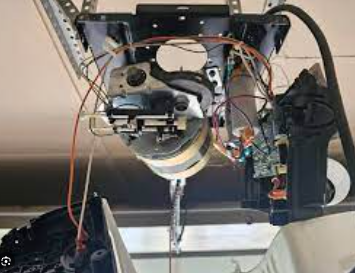
The Opener Does Not Replace the Spring System
Installing a stronger opener is not an appropriate substitute for correcting a garage door that is badly unbalanced.
The opener and spring system have different jobs.
The spring manages the door's weight.
The opener automates movement.
Warning Signs Your Garage Door Springs May Be Wearing Out
A garage door spring does not always give a clear advance warning before it breaks.
Some springs operate normally until the moment the metal fractures.
However, changes in garage door behavior can justify an inspection.
The Door Feels Heavier Than It Used To
A noticeable change in manual door weight may indicate that the counterbalance system is not performing normally.
Do not repeatedly lift a heavy double garage door as a test.
The Door Does Not Stay Balanced
A qualified technician can perform a balance test and determine whether spring adjustment or replacement is appropriate.
The Opener Has Started Straining
If the opener suddenly sounds labored, moves slowly or stops during travel, the door itself should be checked before assuming the motor needs replacement.
The Door Moves Unevenly
Uneven movement can involve springs, cables, drums, rollers or tracks.
A crooked door should not be repeatedly operated.
The Spring Is Visibly Corroded or Damaged
Visual deterioration deserves attention, although surface appearance alone does not tell you exactly how many cycles remain.
The Garage Door Has Become Noticeably Noisier
Noise is not automatically a spring problem.
Hinges, rollers, tracks, bearings and opener components can all make noise.
But a meaningful change in operating sound is a useful reason to inspect the complete system.
How Can You Tell When a Garage Door Spring Has Actually Broken?
A broken torsion spring often produces recognizable symptoms.
Visible Gap in the Torsion Spring
Look above the garage door opening from a safe distance.
A broken torsion spring frequently has a visible separation in the coil.
Loud Bang From the Garage
A spring can release stored mechanical energy when it fractures.
Homeowners may hear a sudden loud noise even though nothing appears to have fallen.
Garage Door Opens Only a Few Inches
The opener may begin pulling but stop quickly because the door has lost normal spring assistance.
Garage Door Suddenly Feels Extremely Heavy
A door that was easy to move yesterday can become much heavier when a spring breaks.
Loose Garage Door Cables
Spring failure can affect cable tension.
A cable may become loose or come off a drum.
When a spring is confirmed as broken, Open Sesame's live garage door spring replacement service provides information about spring repair in Las Vegas.
Safe Garage Door Spring Checks Homeowners Can Make
Homeowners can observe the system without performing high-tension repairs.
- Look for a visible separation in the torsion spring.
- Listen for changes in garage door operating sound.
- Observe whether the door rises evenly.
- Look for obviously loose cables without touching them.
- Observe whether a roller has left the track.
- Check for obvious objects blocking the tracks.
- Notice whether the opener sounds strained.
- Record how many times the garage door typically operates each day.
- Note approximately when the current springs were installed if known.
- Check previous service paperwork for the spring cycle rating if available.
These observations help a technician understand the problem.
They do not require the homeowner to touch a spring, cable drum or loaded bracket.
What Homeowners Should Not Do to Garage Door Springs
Garage door springs store mechanical energy.
Torsion spring winding and cable work require appropriate knowledge and tools.
- Do not wind or unwind torsion springs yourself.
- Do not loosen torsion spring set screws.
- Do not remove center or end spring hardware under tension.
- Do not adjust cable drums.
- Do not remove bottom brackets attached to loaded cables.
- Do not reconnect garage door cables under tension.
- Do not force a severely crooked door.
- Do not continue operating a door with a visible broken spring.
- Do not repeatedly run an opener that can lift the door only a few inches.
- Do not stand beneath an unstable or unsupported garage door.
Can Garage Door Maintenance Extend Spring Life?
Maintenance cannot make a spring last forever.
A spring is still a wear component with a finite fatigue life.
However, maintaining the complete garage door can reduce unnecessary mechanical resistance and help identify problems before they become severe.
Keep Rollers and Hinges Operating Smoothly
The garage door should travel smoothly through the tracks.
A seized roller or binding hinge creates resistance that affects the entire system.
Keep Tracks Clear
Garage door tracks should remain free from physical obstructions.
Do not treat the track like a grease channel or pack heavy grease into it.
Use Appropriate Garage Door Lubricant
Manufacturer and professional recommendations should guide lubrication.
Using the correct product matters more than simply applying large amounts of lubricant.
Watch Cable Condition
Cables should be visually inspected for obvious fraying or abnormal slack.
Do not handle loaded cables.
Open Sesame also maintains a live garage door cable replacement page for cable-specific problems.
Pay Attention to Balance
If the garage door becomes noticeably heavier, more difficult to operate, jerky or uneven, have the system inspected.
Do Not Ignore Opener Strain
A garage door opener that suddenly sounds labored can be reacting to a mechanical door problem.
Continuing to operate it may add opener damage to the original spring or door problem.
Schedule an Inspection When Operation Changes
Maintenance does not need to mean replacing parts unnecessarily.
A useful inspection identifies which components are still serviceable and which actually need attention.
If One Garage Door Spring Breaks, Should Both Be Replaced?
This question applies primarily to two-spring systems.
When two springs were installed at the same time, they may have experienced approximately the same number of cycles.
If one reaches fatigue failure, the other spring may have a similar amount of accumulated wear.
DASMA's consumer safety guidance recommends replacing both springs on a two-spring door when one breaks.
The practical reasons include maintaining a matched system and reducing the likelihood of another failure soon afterward.
Questions to Ask
- Were both springs installed at the same time?
- Are both springs the same specification?
- What cycle rating did the original springs have?
- What cycle rating will the replacements have?
- What is the price difference between replacing one and both?
- Will the door be balance-tested afterward?
Do Not Accept a Vague Explanation
A technician should be able to explain why replacing the pair is appropriate for the specific garage door rather than presenting it as an unexplained upsell.
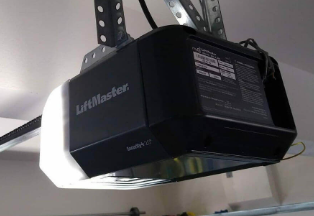
Can Worn or Broken Springs Damage the Garage Door Opener?
They can contribute to opener strain because the spring and opener perform different jobs.
The spring system provides much of the lifting assistance.
The opener automates movement of the balanced door.
When the spring fails, the opener can suddenly face far more resistance than normal.
Signs of Opener Strain
- The opener runs but the door moves only a few inches.
- The motor sounds unusually loud or slow.
- The opener starts and stops under load.
- The top garage door section flexes when the opener pulls.
- The opener produces grinding noise after a spring failure.
Do Not Replace the Opener Before Diagnosing the Door
If the opener appears weak, inspect the spring and door balance first.
A new opener does not correct a broken torsion spring.
It does not repair an off-drum cable.
It does not fix a binding track.
Open Sesame's live garage door opener repair page covers opener-specific service when the operator itself is involved.
Should Garage Door Springs Be Replaced Before They Break?
Not every spring needs to be replaced simply because it has reached a certain birthday.
A homeowner may not even know the exact installation date or cycle rating.
Preventive replacement can make sense in certain situations, but it should be based on useful information rather than fear.
Preventive Replacement May Be Worth Discussing When:
- The springs have documented high cycle usage.
- The garage is critical for everyday vehicle access.
- The springs are old and their cycle history is substantial.
- One spring in a matched pair has already failed.
- The springs show damage or significant deterioration.
- The door is no longer properly balanced.
- A technician identifies a clear spring-related condition during maintenance.
Replacement May Not Be Necessary Simply Because:
- The spring is several years old but operating normally.
- A salesperson says every spring over a certain age must be replaced.
- The garage door is noisy but the noise actually comes from rollers or hinges.
- The opener has a remote or sensor issue unrelated to the spring.
Condition and Cycle History Matter
The strongest decision uses several pieces of information:
Spring age if known, approximate cycle use, door balance, visual condition, spring specifications and the behavior of the complete garage door.
What If Your Garage Door Will Not Close?
Spring fatigue is only one part of garage door troubleshooting.
If your current problem is that the door refuses to close, reverses after starting downward or closes only while the wall button is held, safety sensors, tracks, opener travel settings and other components may be more relevant.
Read the related guide:
Why Won’t My Garage Door Close? Sensors, Tracks, Springs & Opener Problems Explained .
That article separates closing problems from spring-lifespan questions so homeowners do not replace spring hardware when the actual problem is elsewhere.
Garage Door Spring Lifespan in Summerlin and the Las Vegas Valley
Garage door usage and equipment vary throughout the Las Vegas Valley.
Summerlin, Summerlin South, Sun City Summerlin, The Lakes, Desert Shores, Peccole Ranch, Queensridge and Canyon Gate include homes of different ages and garage-door configurations.
Some properties use lightweight steel sectional doors.
Others use insulated steel doors, wood-look overlays, glass doors or custom systems.
That matters because the correct spring is based on the door's mechanical requirements rather than simply the neighborhood.
Summerlin
Many Summerlin households use attached garages as their primary everyday entrance.
Multiple daily cycles can accumulate quickly.
Sun City Summerlin
Older garage-door systems may have springs with significant age and unknown cycle histories.
An inspection can help determine whether the door is balanced and whether other hardware is also worn.
The Lakes and Desert Shores
Established communities can contain a mix of original and replacement garage doors.
Spring specifications should be matched to the currently installed door rather than assuming the original builder configuration remains in place.
Centennial Hills and Skye Canyon
Larger residential garages and multiple vehicles can create significant daily cycle counts.
Spring Valley and Enterprise
High-use residential and rental properties may consume spring cycles faster than homeowners expect.
Henderson and North Las Vegas
The same principle applies throughout the valley:
Count usage, evaluate the door, identify spring specifications and avoid relying on an arbitrary “Las Vegas springs last X years” claim.
Questions to Ask Before Hiring a Garage Door Spring Company
Spring replacement estimates are easier to compare when you ask for specific information.
- Is my garage door spring actually broken?
- Does the door use torsion springs or extension springs?
- How many springs does my door require?
- What is the cycle rating of the proposed spring?
- What cycle rating did the old spring have, if it can be identified?
- How are you determining the correct spring size?
- Is the spring matched to the actual garage door weight?
- Is the garage door properly balanced?
- Are the cables in good condition?
- Are the cable drums operating correctly?
- Are the rollers creating excess resistance?
- Are the tracks aligned?
- Are the bearings serviceable?
- Was the garage door opener strained by the failed spring?
- If one spring broke, should the matched spring also be replaced?
- What is included in the estimate?
- Is labor included?
- Are there service-call charges?
- What parts warranty applies?
- What labor warranty applies?
- Will the door be balance-tested after installation?
- Will you test the opener after the spring repair?
- Can you show me the failed or worn component?
- Will I receive a written estimate before additional work?
Ask About Cycle Rating, Not Marketing Names
A company may use names such as standard, premium, heavy-duty or high-cycle.
Those labels can help organize product options, but the underlying specification matters more.
Ask how many cycles the proposed spring is designed for.
Ask Whether Related Parts Really Need Replacement
A broken spring may occur on a door whose cables, rollers and opener are still serviceable.
It can also occur on a system where multiple components have significant wear.
The technician should explain the difference.
Garage Door Spring Replacement Red Flags
Be cautious if a garage door company:
- Cannot explain the proposed spring cycle rating.
- Claims every Las Vegas spring fails primarily because of heat.
- Uses dramatic “desert-rated” terminology without explaining actual specifications.
- Does not evaluate garage door balance.
- Does not inspect cables and drums.
- Ignores worn rollers or obvious track resistance.
- Claims the opener must be replaced simply because the spring broke.
- Recommends multiple parts without showing or explaining the problem.
- Changes the quote significantly without explanation.
- Uses pressure tactics before you understand the diagnosis.
- Provides unsafe DIY advice involving torsion spring tension.
- Suggests that a snapped spring can be permanently patched or welded.
- Cannot explain parts and labor included in the price.
- Provides no written estimate when requested.
- Cannot identify a clear local business presence or service area.
Why Consider Open Sesame Garage Door for Spring Problems?
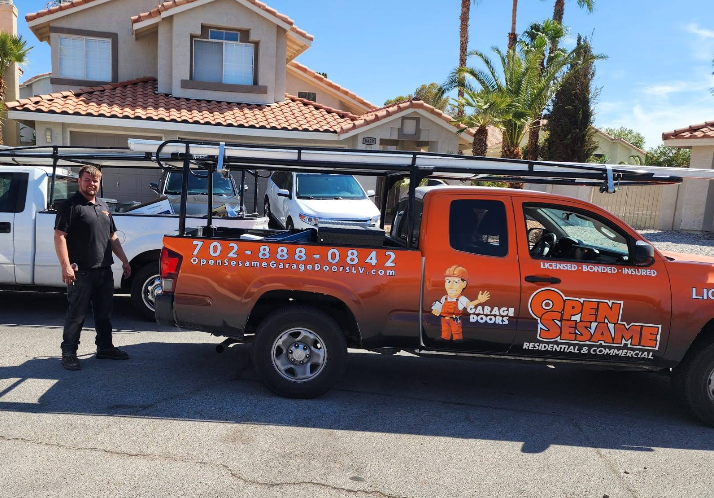
Open Sesame Garage Door is a local garage door repair company serving Las Vegas, Summerlin and nearby Clark County communities.
For spring-related problems, the useful advantage of working with a garage door repair company is that the spring can be evaluated as part of the entire moving system.
A broken spring may be obvious.
A slowly developing balance issue may require more diagnosis.
A door that feels heavy may have a spring problem, but the technician may also need to inspect cables, rollers, drums, tracks and opener operation.
Garage Door Spring Replacement
Service for broken torsion springs, spring-system problems and doors that have lost normal counterbalance.
Garage Door Opener Repair
Diagnosis when an opener has been strained by a heavy or poorly balanced door or has a separate mechanical or electrical problem.
Cable & Mechanical Repair
Service for cable, roller, track and other garage door problems that can affect smooth operation and door balance.
Support for Homeowners
Homeowners can request inspection when a spring breaks, the garage door becomes unusually heavy or the opener begins struggling.
Support for Landlords
Landlords can use cycle history and tenant-use patterns when deciding whether a standard or higher-cycle spring is appropriate.
Support for Property Managers
Property managers may benefit from documenting spring specifications, cycle rating and associated repairs for maintenance records.
Support for Renters
Renters should generally report spring problems to the property owner or manager rather than authorizing major mechanical repairs without approval.
Support for Real Estate Investors
An inspection can help distinguish a simple spring replacement from a garage door system with several aging components.
Contact Open Sesame Garage Door
- Call (702) 888-0842.
- Request a garage door spring inspection .
- View Open Sesame Garage Door on Google Maps .
- Learn about garage door spring replacement .
When Does a Garage Door Spring Problem Need Prompt Service?
A spring approaching the end of its normal cycle life does not automatically create an emergency.
A spring that has already failed can create an access or safety problem, however.
Prompt garage door service may be useful when:
- A torsion spring is visibly broken.
- The garage door becomes extremely heavy.
- A vehicle is trapped inside the garage.
- The opener lifts the door only a few inches.
- The garage door is hanging unevenly.
- A cable has become loose.
- A cable has come off the drum.
- The garage door is stuck partially open.
- The garage cannot be secured.
- A rental-property tenant has lost normal vehicle access.
Open Sesame's currently published urgent garage door repair information provides an additional resource for time-sensitive garage door failures.
Call (702) 888-0842 to ask about current scheduling availability.
Garage Door Spring Service Areas
Open Sesame Garage Door serves Las Vegas, Summerlin and nearby Clark County communities.
The locations below are service areas and do not imply that the company operates a separate physical office in every neighborhood.
A homeowner in Summerlin may use the garage as the main entrance and consume many cycles per day.
A Sun City Summerlin homeowner may have an older spring system with unknown service history.
A Centennial Hills household with multiple vehicles may operate the door far more frequently than a lightly used garage in another neighborhood.
These differences matter when estimating remaining spring life.
The spring should always be matched to the actual garage door rather than chosen according to ZIP code or neighborhood name.
Open Sesame Garage Door — Las Vegas Location
Open Sesame Garage Door is located at 7865 Bluewater Dr, Las Vegas, NV 89128 and serves customers throughout Las Vegas, Summerlin and nearby Clark County communities.
Open Sesame Garage Door
7865 Bluewater Dr
Las Vegas, NV 89128
Phone: (702) 888-0842
Garage Door Spring and Las Vegas Authority Resources
Frequently Asked Questions About Garage Door Spring Lifespan in Las Vegas
How long do garage door springs last in Las Vegas heat?
Many standard torsion springs are commonly designed around approximately 10,000 operating cycles. At three complete cycles per day, that is theoretically about nine years; at six cycles per day, it is about four and a half years. Actual lifespan varies with spring design, door weight, installation, balance, maintenance, environmental exposure and usage.
Does Las Vegas heat make garage door springs break faster?
Las Vegas heat creates a demanding environment for the garage door system, but it is inaccurate to say that heat alone determines spring life. Spring fatigue is strongly related to repeated operating cycles, while sizing, installation, door balance, corrosion, hardware condition and environmental exposure can also affect performance.
How many cycles do garage door springs normally last?
A common baseline for many standard torsion spring systems is around 10,000 cycles, although spring specifications vary and higher-cycle options are available. Ask the garage door company for the actual cycle rating of the spring being proposed.
How many years is 10,000 garage door cycles?
At two complete cycles per day, 10,000 cycles theoretically represents about 13.7 years. At four cycles per day it is about 6.8 years, and at eight cycles per day it is about 3.4 years. These are mathematical estimates, not guaranteed service lives.
Are high-cycle garage door springs worth it in Las Vegas?
They can be worthwhile for households that use the garage door frequently, have several drivers, rely on the garage as the main entrance or expect to remain in the property long term. Compare the actual cycle rating and installed cost rather than relying only on marketing labels.
How can I tell if my garage door spring is wearing out?
Springs do not always provide advance warning, but signs that justify inspection include a door that feels unusually heavy, poor balance, uneven movement, increasing opener strain, visible spring damage or significant changes in garage door operation.
What does a broken garage door torsion spring look like?
A broken torsion spring commonly shows a visible gap or separation in the coil above the garage door. Other symptoms can include a loud bang, an extremely heavy door, an opener that lifts only a few inches or loose garage door cables.
Should both garage door springs be replaced if one breaks?
On a two-spring system where both springs were installed together, the remaining spring may have a similar cycle history. Replacing the matched pair is often worth discussing so the system uses springs with similar age and specifications. Ask the technician to explain the recommendation for your particular door.
Can I replace a garage door spring myself?
Torsion springs, cable drums and lifting cables can operate under substantial mechanical tension. Incorrect handling can cause serious injury or property damage. Winding, unwinding and tensioned cable work are appropriate tasks for trained garage door professionals using proper tools.
Can a worn garage door spring damage the opener?
A poorly balanced or broken spring can make the garage door much harder for the opener to move. Repeatedly running the opener against an abnormally heavy door can place unnecessary strain on opener gears, the trolley, rail and motor components.
Is same-day garage door spring repair available in Las Vegas?
Open Sesame Garage Door advertises same-day garage door repair options in Las Vegas and Summerlin. Current technician and parts availability can change, so call (702) 888-0842 to ask about scheduling for your specific spring problem.
Related Garage Door Articles
Concerned About Your Garage Door Springs in Las Vegas or Summerlin?
If your garage door springs are older, your household uses the garage frequently, the door has become unusually heavy, the opener is straining or you see a visible broken spring, a professional inspection can help determine whether the spring system still operates correctly.
Call Open Sesame Garage Door at (702) 888-0842 for garage door spring service in Las Vegas, Summerlin and nearby Clark County communities.
Safety reminder: Do not wind torsion springs, loosen spring set screws, adjust cable drums, reconnect tensioned cables or force an unstable garage door.